共有廚房
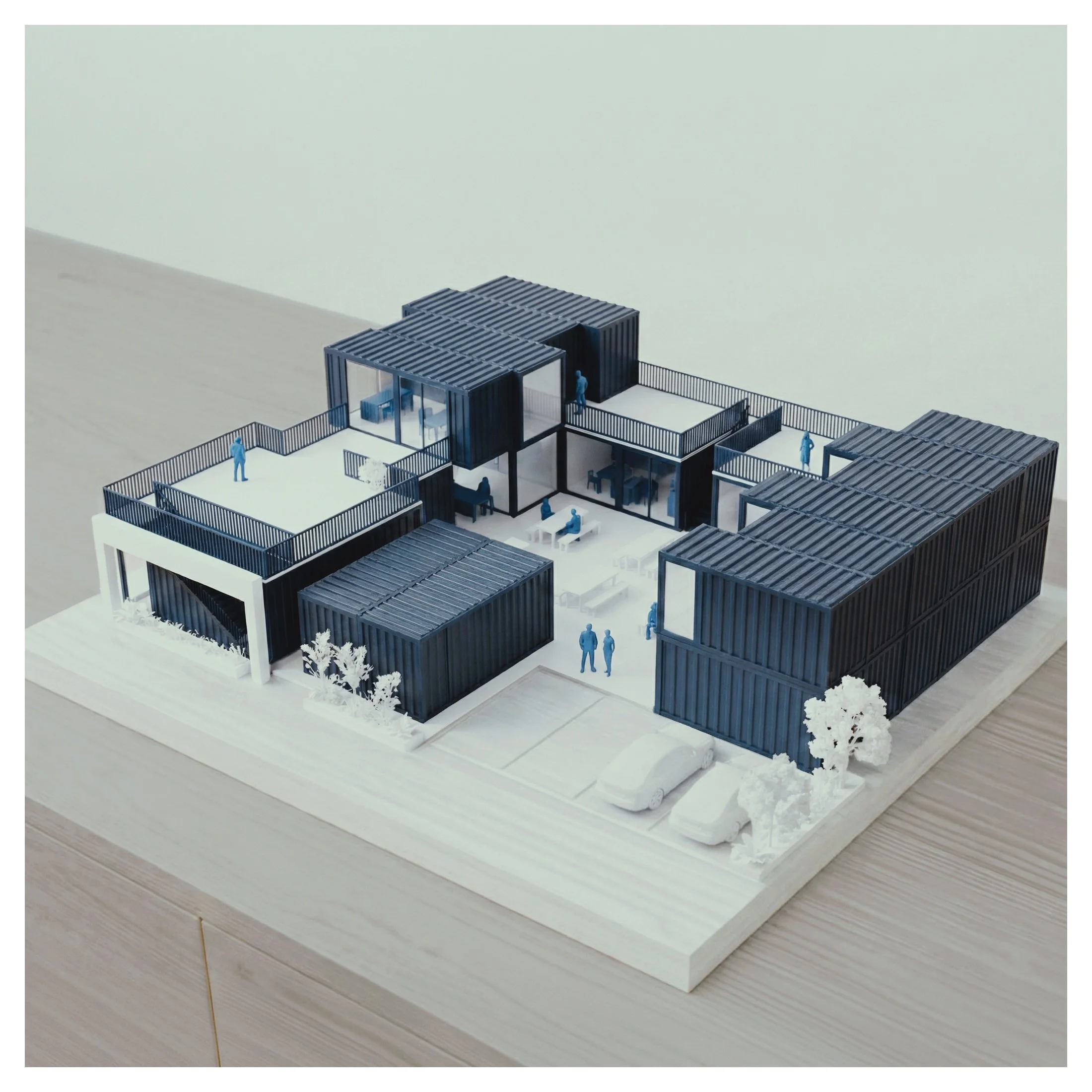
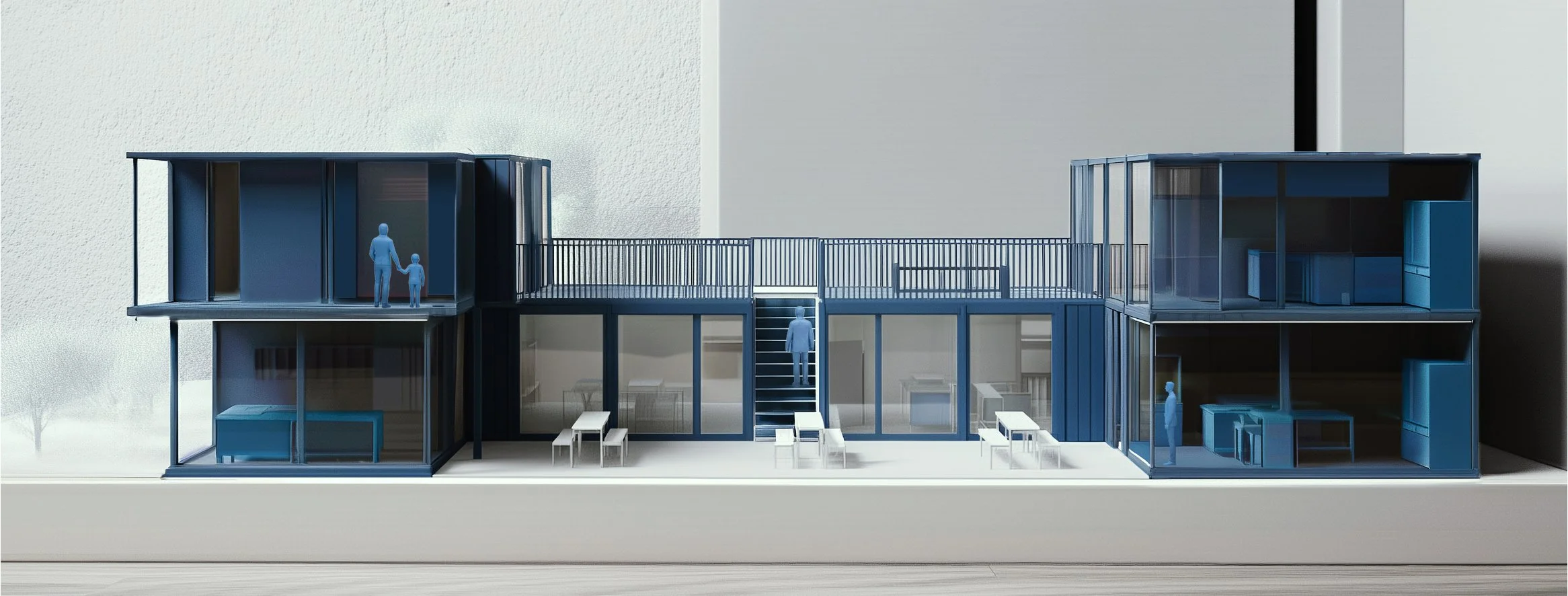
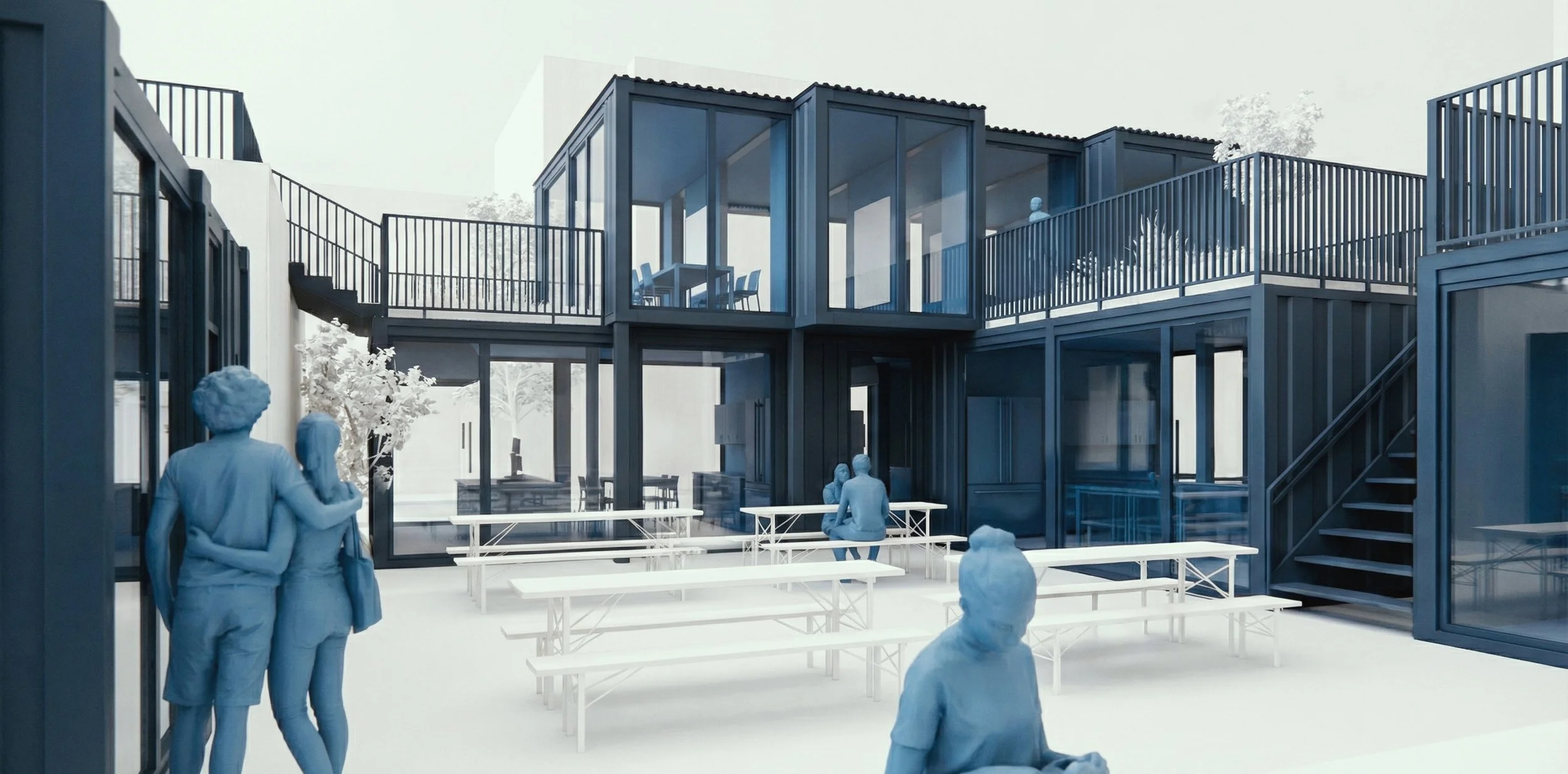
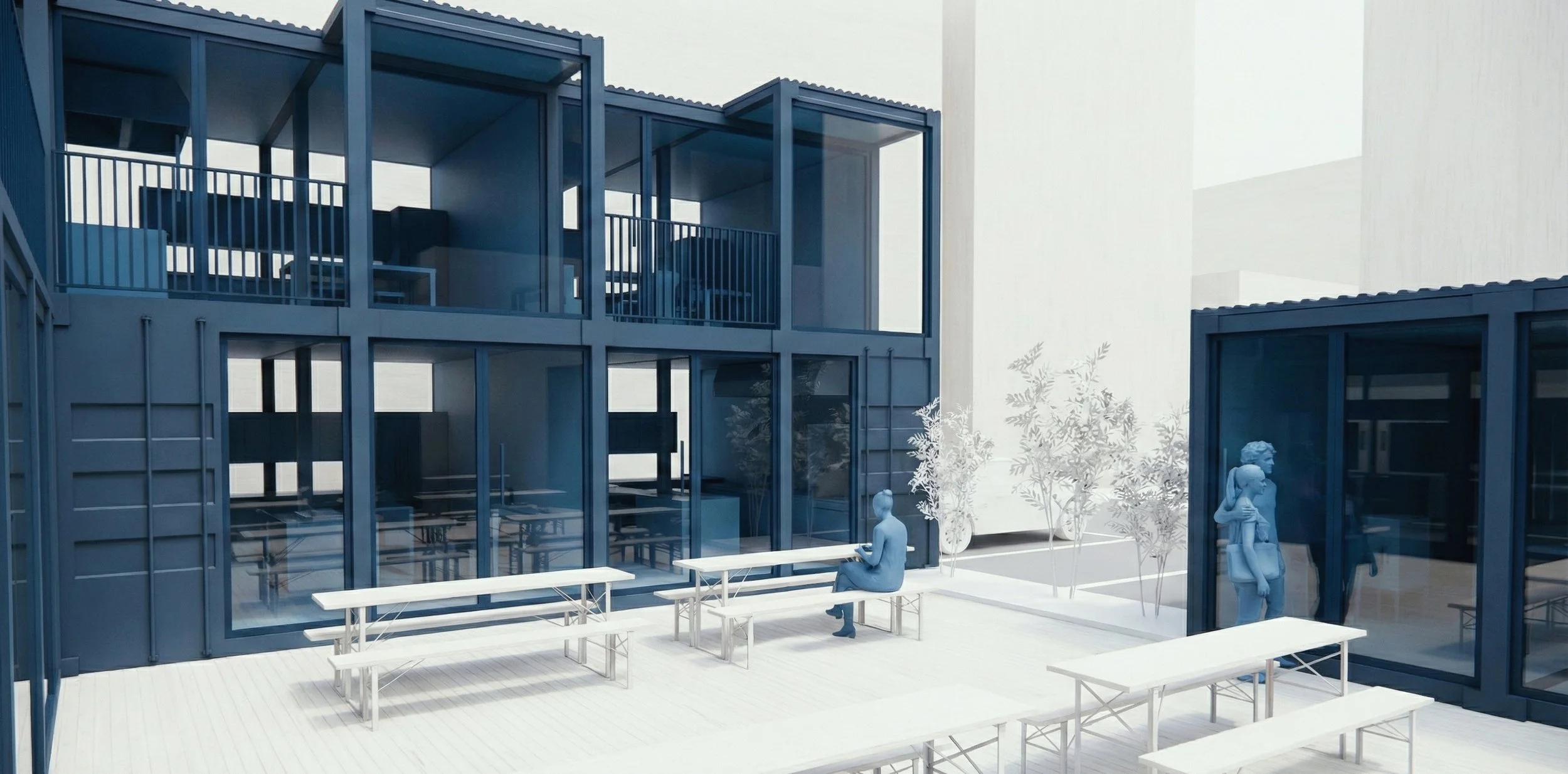
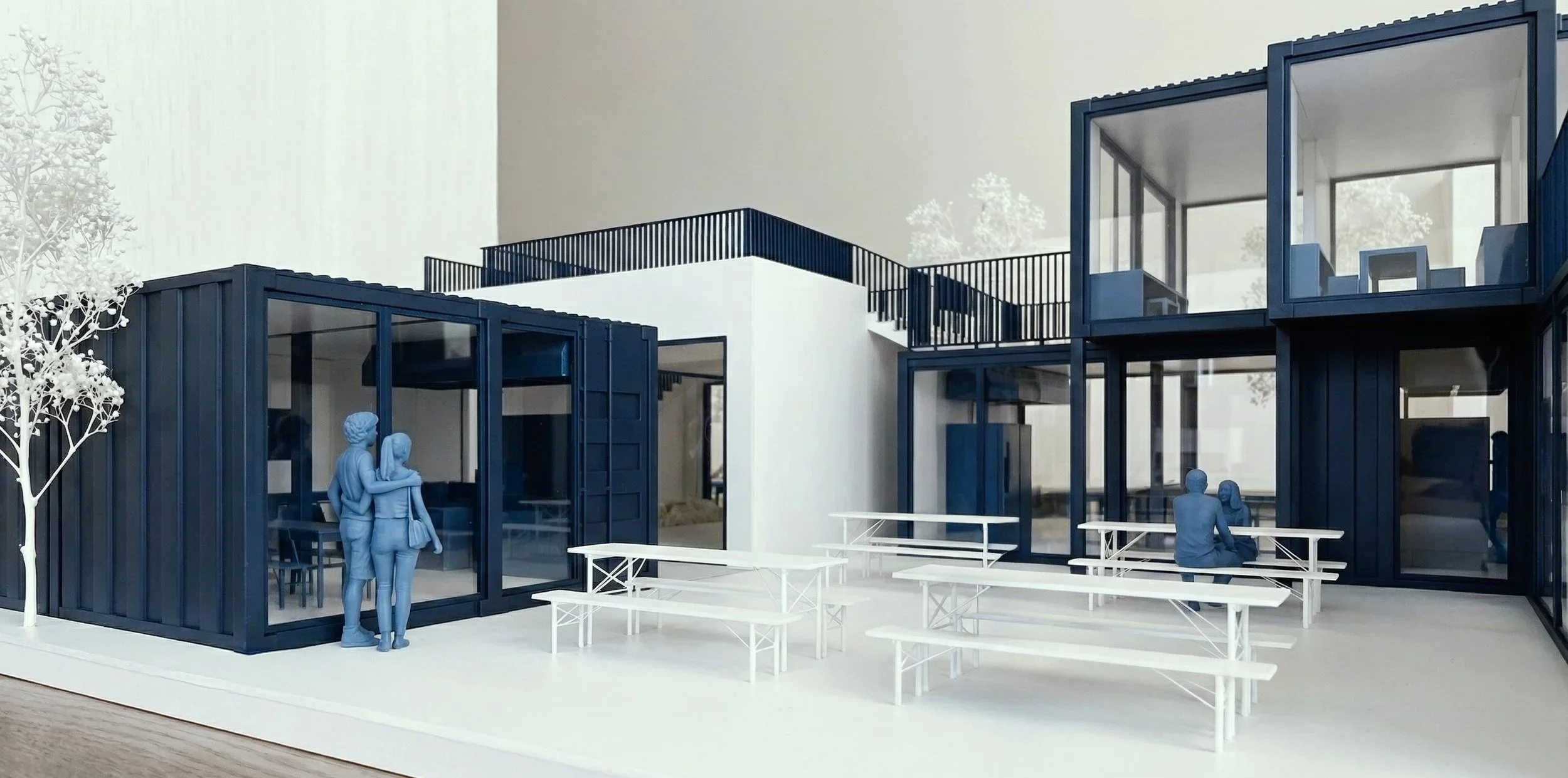
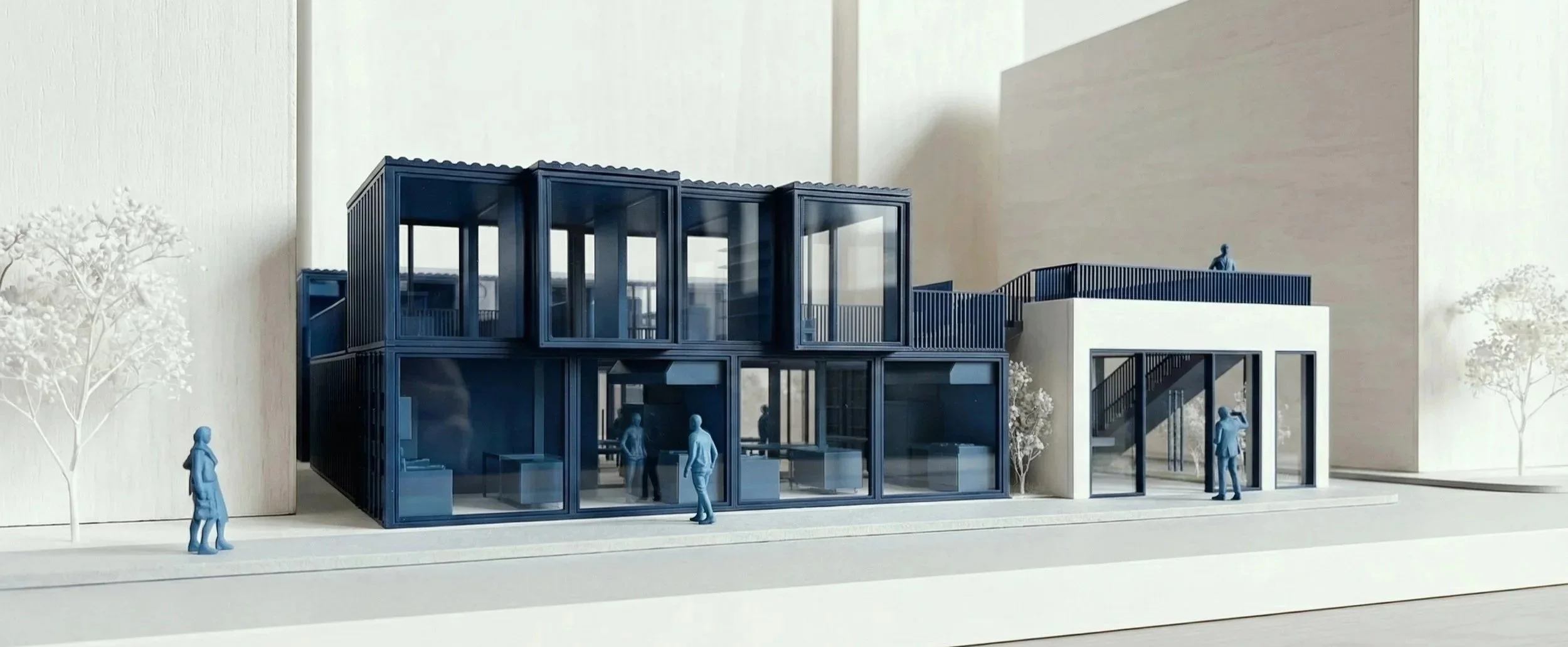
공유 주방은 팬데믹 이후 변화한 삶의 조건 속에서 부상한 건축 유형이다. 이는 단순한 조리 공간을 넘어, 고립 이후 재형성되는 공동성의 장이자 일상적 행위를 통해 사회적 관계를 재구성하는 인프라이다. 가정 내부에 한정되었던 조리와 식사의 행위를 공공 영역으로 확장함으로써, 공유 주방은 사적·공적 영역의 관습적 경계를 재편하고 새로운 사회적 상호작용과 집단적 주체성을 생성한다. 개별화된 주거 기능이 공공의 차원으로 환원되면서, 주방은 개인의 생활을 넘어 공동의 삶을 조직하는 구조로 작동한다.
본 프로젝트에서 공유 주방은 맥락에 내재된 실질적 요구를 기반으로, 최소 개입을 통해 제안되며, 그 잠재력은 기술적 복잡성이나 형식적 새로움이 아니라, 공간적 근접성과 공동 사용, 시간적 중첩을 통해 일상을 재구성하는 데 있다. 이는 물질적 인프라의 중복을 줄이고 공간 밀도를 높이며 지역 내 경제 순환을 촉진함으로써, 회복력 있고 효율적인 공공 영역 형성에 기여한다. 궁극적으로 공유 주방은 지속가능한 공공 디자인을 완결된 해답이 아닌, 적응과 진화를 전제로 한 개방적 과정으로 제안한다. 고정된 형태보다 유연성과 관계성, 장기적 사회성을 우선시하는 것은, 불확실성의 시대에 대한 비판적 응답이며, 공유주방은 정지된 오브제가 아닌, 지속적으로 작동하고 변화하는 사회적 인프라로 재정의된다.
© INTERFACE STUDIOS 2026, ALL RIGHTS RESERVED
Shared Kitchen
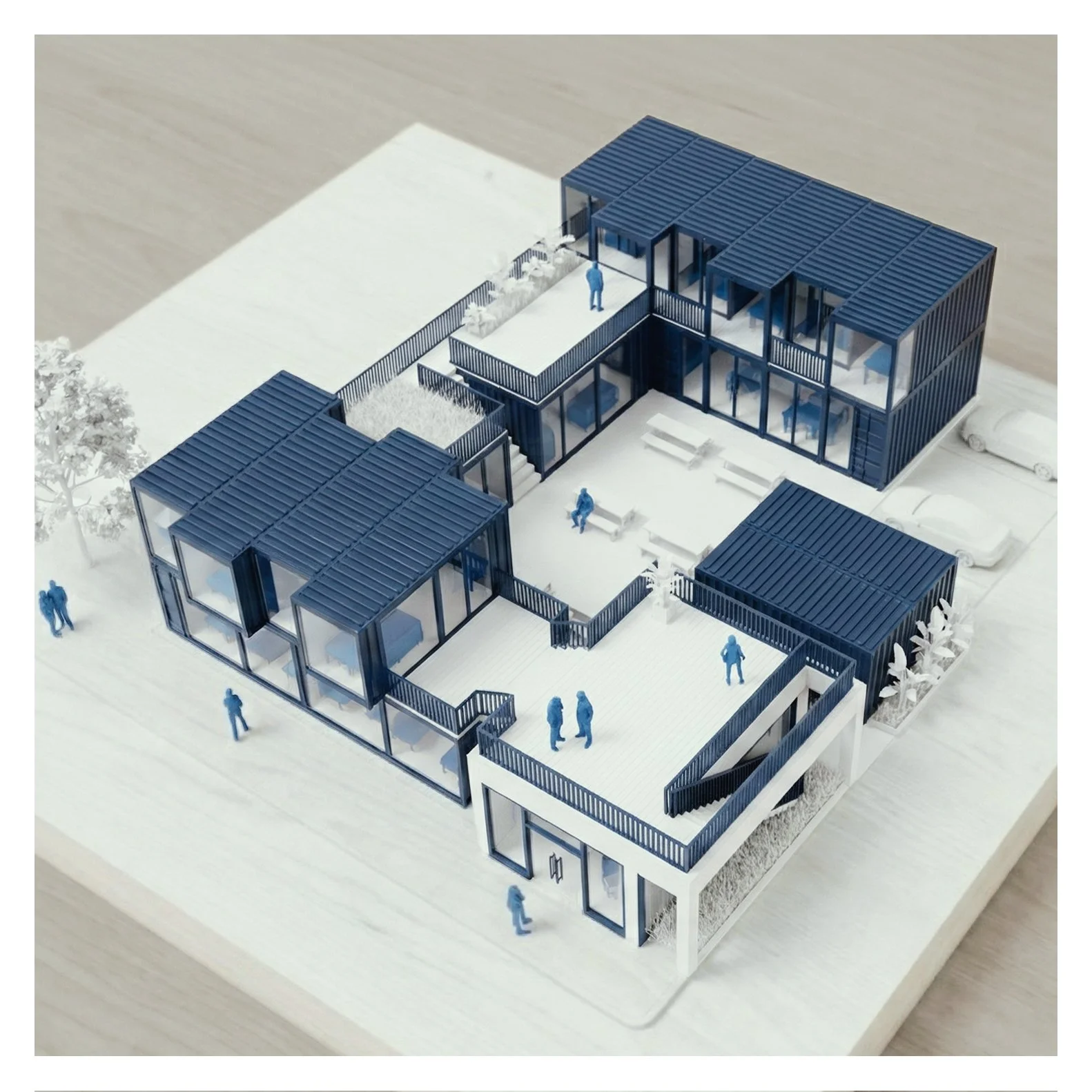
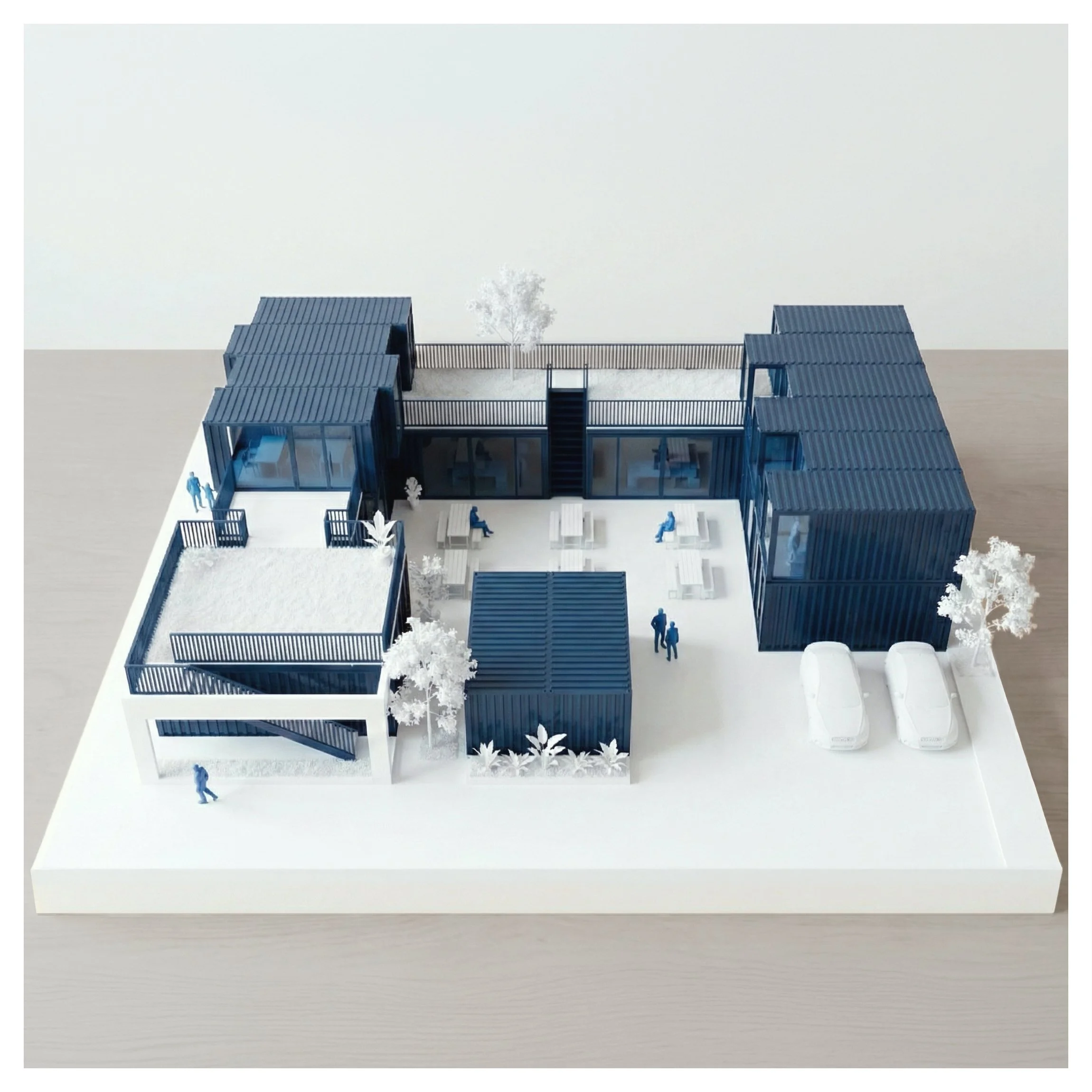
The shared kitchen has emerged as an architectural archetype within the transformed conditions of post-pandemic life. It exceeds the role of a cooking space, operating as a site where collectivity is reconstituted and social relations are reorganized through everyday practices. By extending cooking and dining into the public realm, it reconfigures the boundary between private and public domains, enabling new forms of interaction and collective agency. As individualized domestic functions return to the public sphere, the kitchen becomes a framework for organizing shared life.
In this project, the shared kitchen is introduced through minimal intervention, grounded in the tangible needs embedded in its context. Its strength lies not in technological complexity or formal novelty, but in reorganizing everyday life through spatial proximity, shared use, and temporal overlap. By reducing infrastructural redundancy, intensifying spatial density, and stimulating local economy, it contributes to a more resilient and efficient public realm. Ultimately, the shared kitchen frames sustainable public design not as a finished solution, but as an open and adaptive process. By prioritizing flexibility, relational capacity, and long-term social engagement over fixed form, it offers a critical response to an age of uncertainty—redefining architecture as an active, evolving social infrastructure rather than a static object.