형상 너머의 실재
명명이라는 삭제
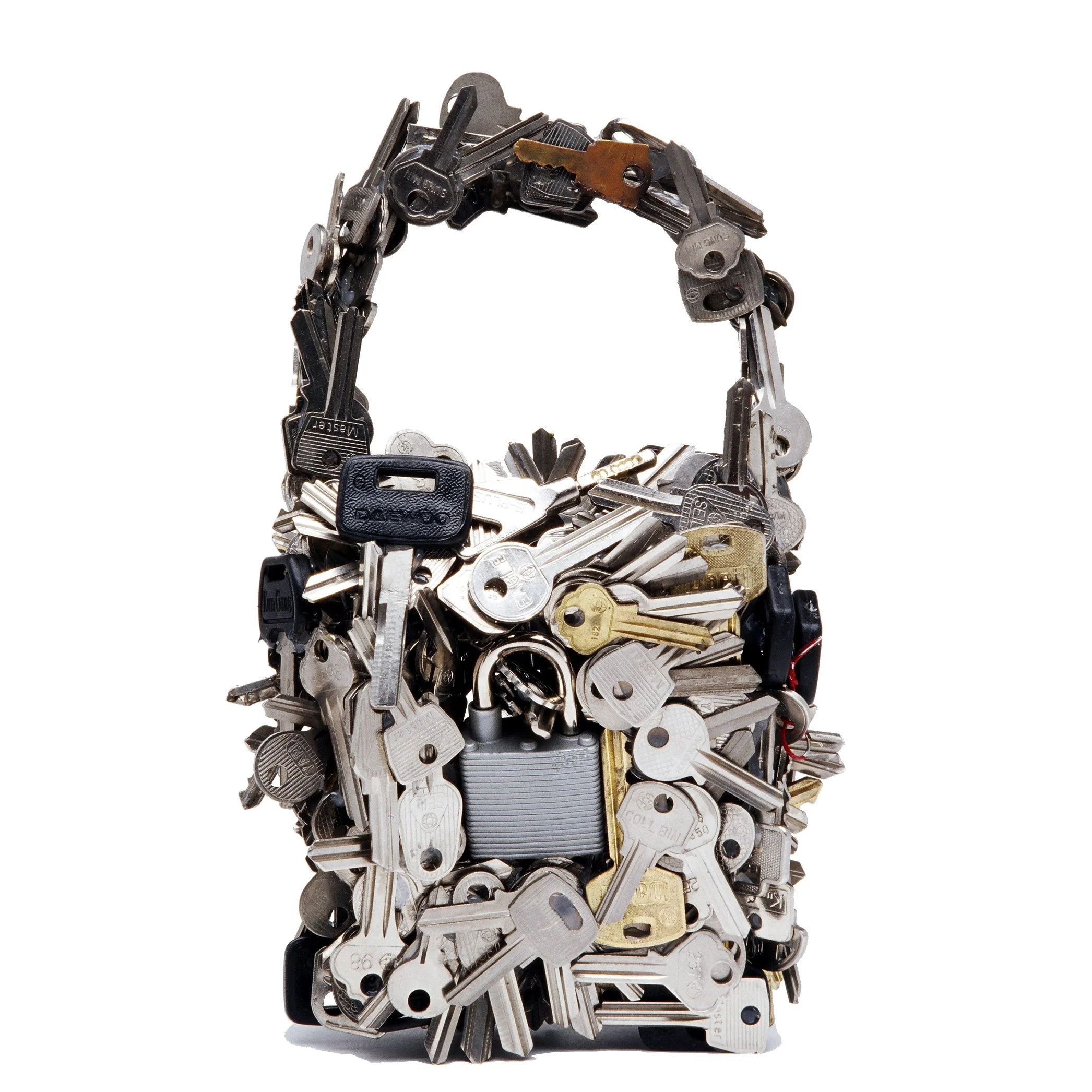
우리는 대상을 있는 그대로 보지 않는다. 이미 형성된 개념을 통해 대상을 인식하고, 무수한 차이와 관계의 집합을 하나의 완결된 형상으로 환원한다. 그러나 형상은 실재의 총체가 아닌, 끊임없이 생성되고 변주하는 세계의 흐름을 일시적으로 고정한 인식의 단면이다. 이때 발생하는 편견은 오류가 아니라 인식 과정에 내재한 구조적 필연이다. 전체는 부분을 지우며 성립한다. 하나의 이름이 완성되는 순간, 그것을 이루던 개별성과 물질성, 시간의 흔적은 침묵한다. 명명은 이해의 시작이기보다, 실재를 삭제하는 가장 정교한 방식과도 같다.
뇌는 최소한의 정보로 결론을 도출하는 예측 엔진이다. 상위 인지는 하나의 해석을 던지고, 그 아래 존재하는 무수한 디테일을 노이즈로 처리한다. 이 신경적 효율은 복잡한 진실을 저해상도로 압축한다. 우리가 본다고 믿는 전체는, 사실 수많은 차이와 흔적이 지워진 결과이다. 명명은 인지를 돕지만, 동시에 대상을 하나의 명칭 안에 가둔다. 그러나 실재는 결코 하나의 이름 안에 머물지 않으며, 각각의 존재는 전체에 완전히 종속되지 않는다.
우리가 하나의 완결된 형상을 본다고 믿는 순간에도, 그 내부에서는 수많은 차이가 계속해서 표류한다. 형상은 차이를 제거하지 못하며, 이름은 실재를 완전히 포획하지 못한다. 동일성의 표면 아래에는 언제나 그것을 벗어나는 잉여가 남고, 하나의 의미로 환원되지 않는 가능성이 잠재한다.
진실은 하나의 결론이나 고정된 본질에 존재하지 않는다. 그것은 하나의 이름으로 포획되기 이전의 차이와, 형상이 끝내 포괄하지 못한 관계들 속에 분산되어 있다. 실재는 완결된 형상 안에서 멈추지 않는다. 그것은 끊임없이 형상을 벗어나고, 다른 관계로 접속하며, 아직 이름 붙여지지 않은 가능성을 향해 스스로를 생성한다.
형상을 해체하는 것은 대상을 부정하는 일이 아니다. 그것은 하나의 이름이 독점해 온 의미를 잠시 유예하고, 동일성의 질서 아래 가려진 차이들을 다시 바라보는 일이다. 익숙한 개념이 물러나는 순간, 세계는 더 이상 하나의 답으로 수렴되지 않는다.
그때 우리는 비로소, 형상 너머에서 여전히 생성되고 있는 실재를 본다.
Reality Beyond Form
To Name is to Erase
We do not see things as they are. We perceive them through concepts already formed, reducing an assemblage of countless differences and relations to a single, coherent form. Yet form is not the totality of reality—it is a momentary cross-section of perception, temporarily fixing a world that is ceaselessly becoming. The bias this produces is not an error, but a structural necessity of cognition itself. The whole comes into being by erasing its parts; the moment a name is completed, the individuality, materiality, and traces of time that constituted it fall silent. Naming is less the beginning of understanding than the most refined way of erasing reality.
The brain is a predictive engine, drawing conclusions from minimal information. Higher cognition proposes a single interpretation and relegates the countless details beneath it to noise, compressing a complex reality into a low-resolution image. What we take to be a coherent whole is, in fact, what remains after innumerable differences and traces have been erased. Naming aids cognition even as it confines its object within a single word. Yet reality never remains within one name, and no being is ever wholly subordinate to the whole.
Even as we believe we see a completed form, countless differences continue to drift beneath it. Form cannot eliminate difference; a name cannot fully capture the real. Beneath the surface of identity, an excess always remains—a potential that resists reduction to a single meaning.
Truth does not reside in a final conclusion or a fixed essence. It is dispersed among the differences that precede their capture by a name, and the relations that form ultimately fails to contain. Reality does not come to rest within a completed form—it continually exceeds it, enters into new relations, and generates itself toward possibilities not yet named.
To dismantle form is not to deny the object. It is to suspend, for a moment, the meaning a name has monopolized, and to look again at the differences concealed beneath the order of identity. When familiar concepts recede, the world no longer converges upon a single answer.
Only then do we begin to see the reality still coming into being beyond form.