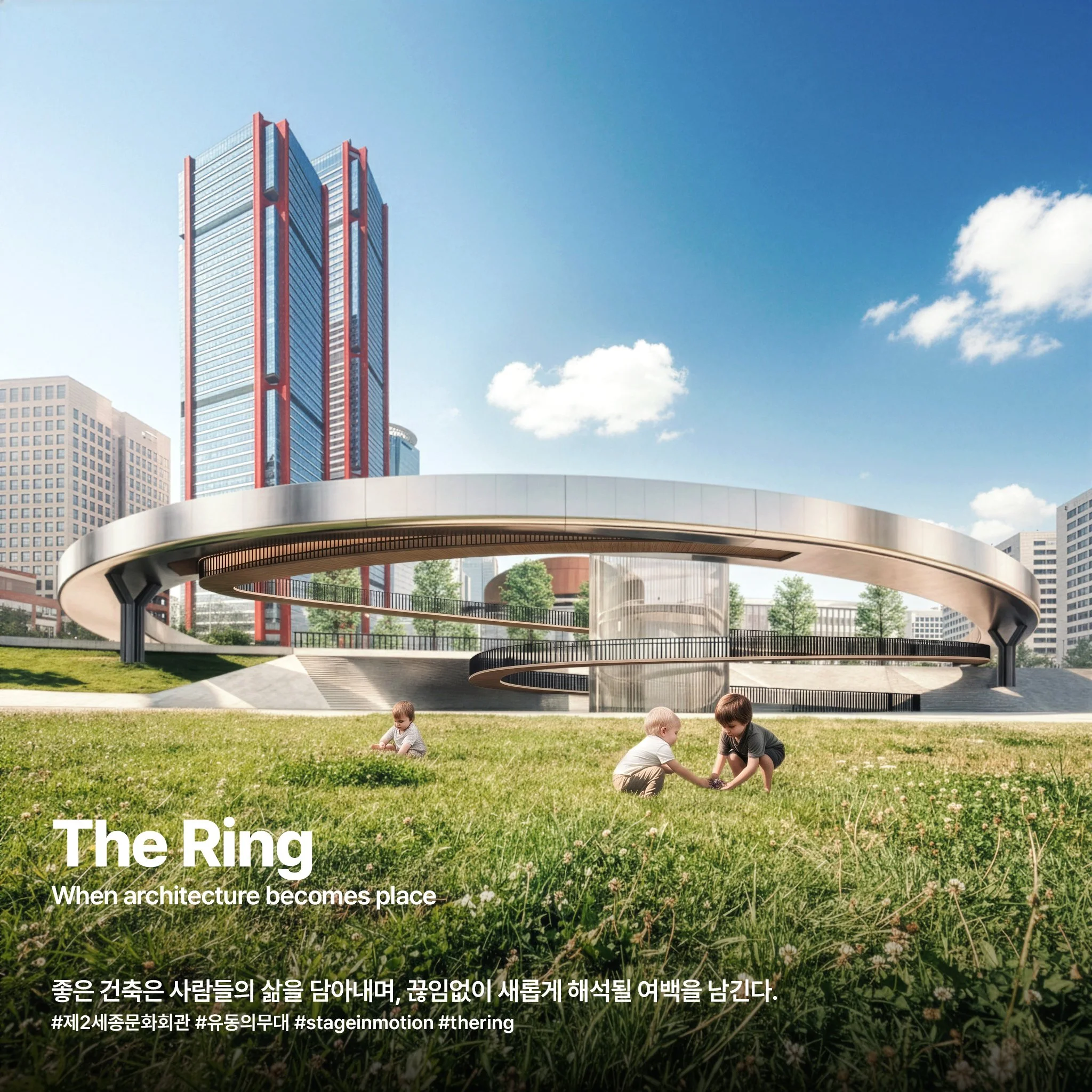
건축이 장소가 되기까지
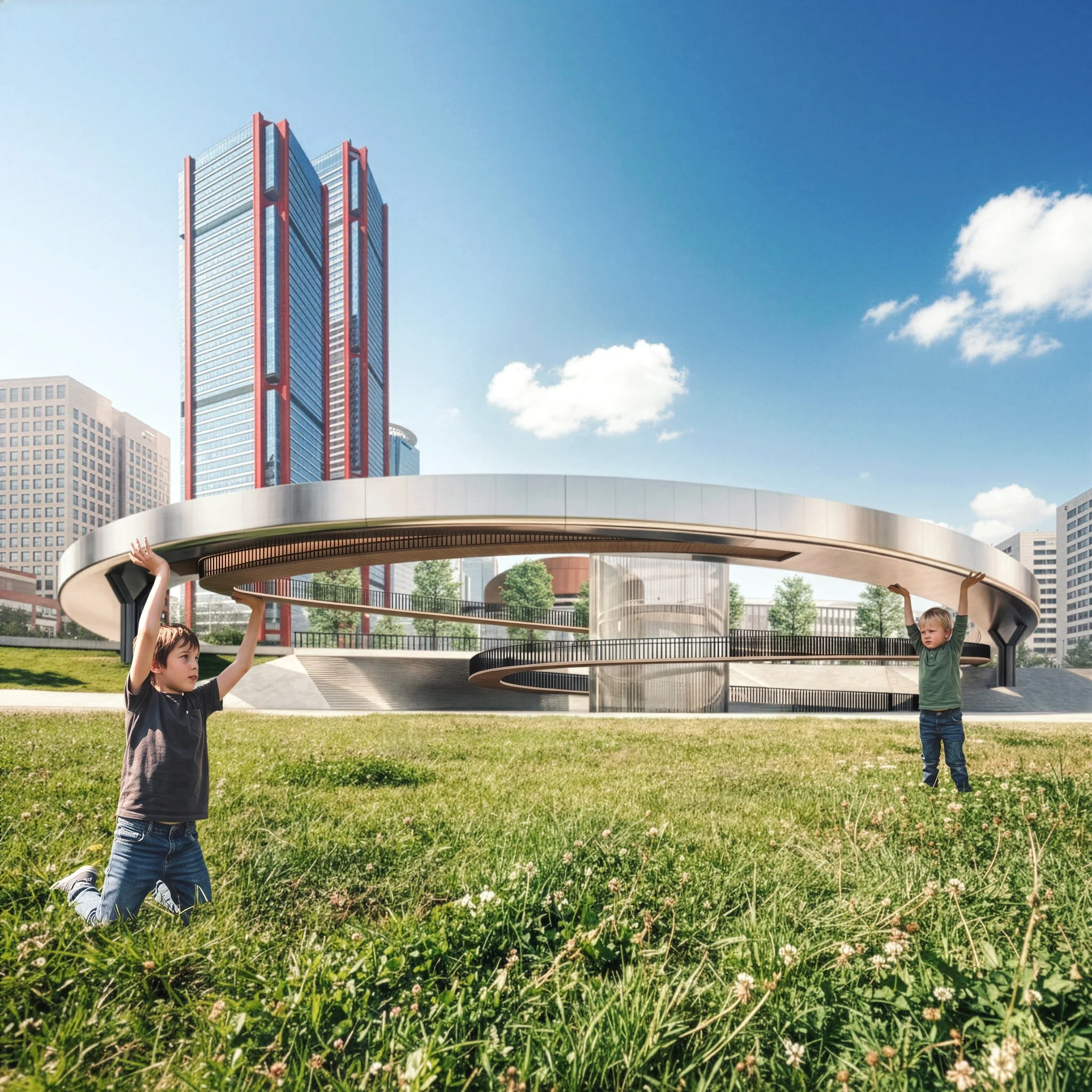
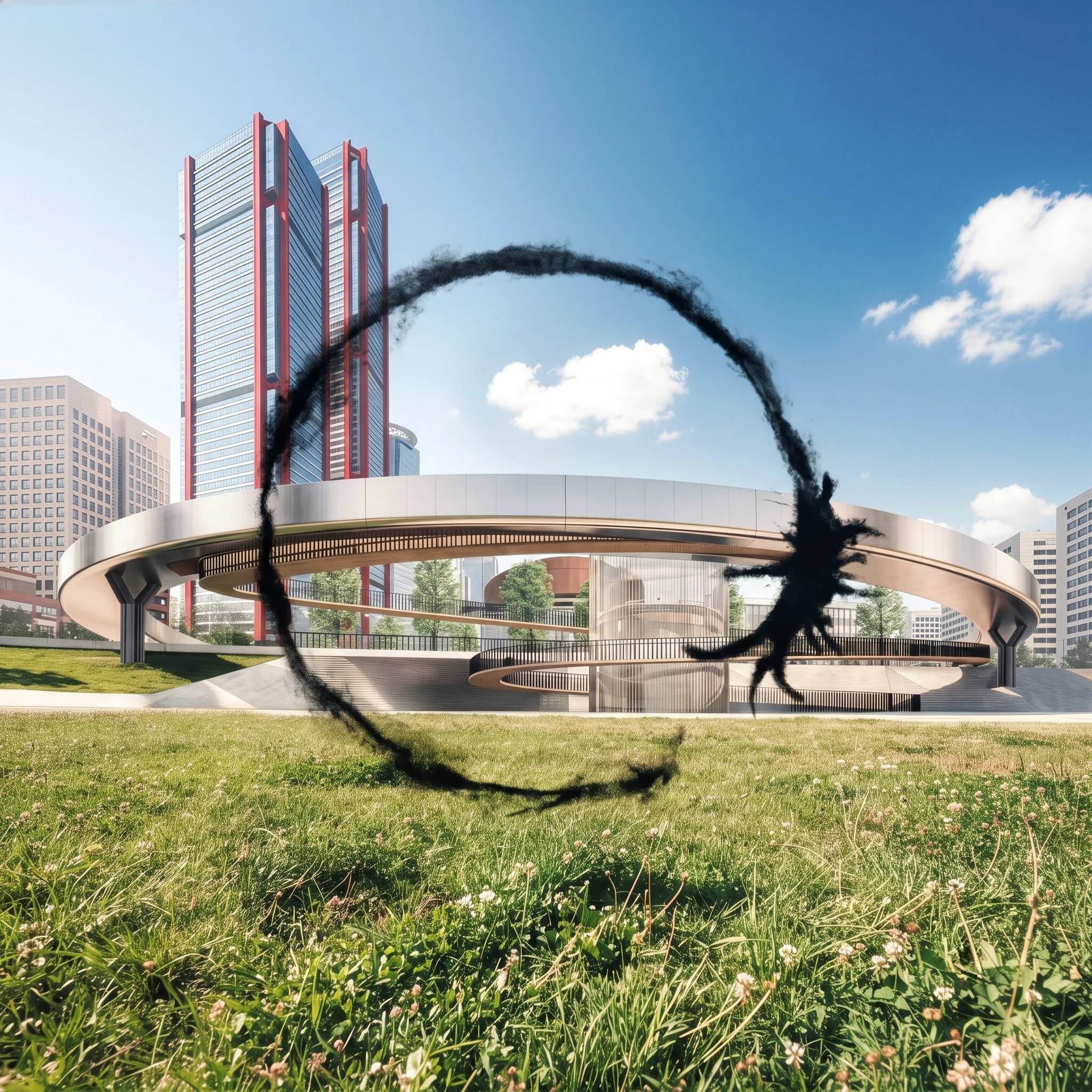
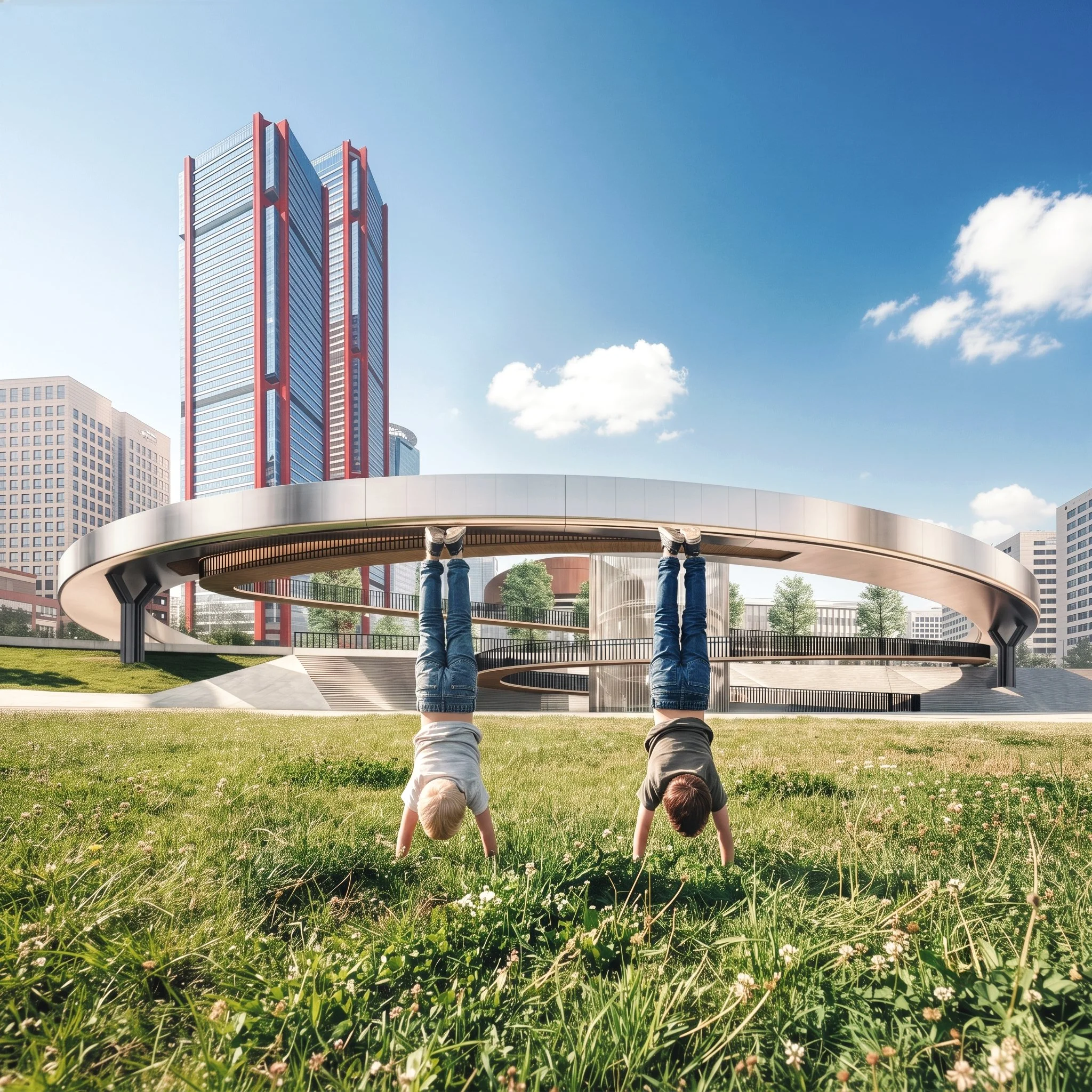
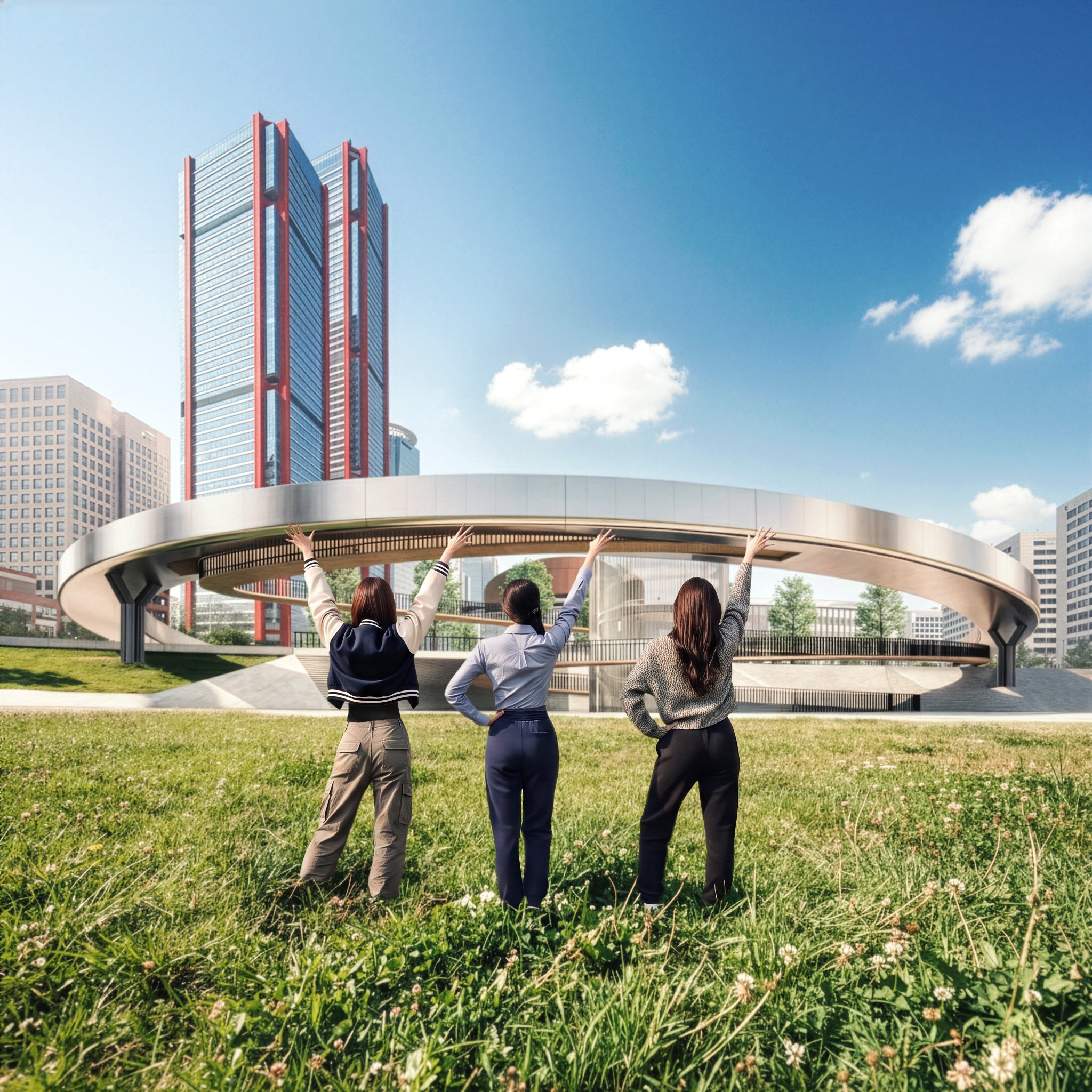
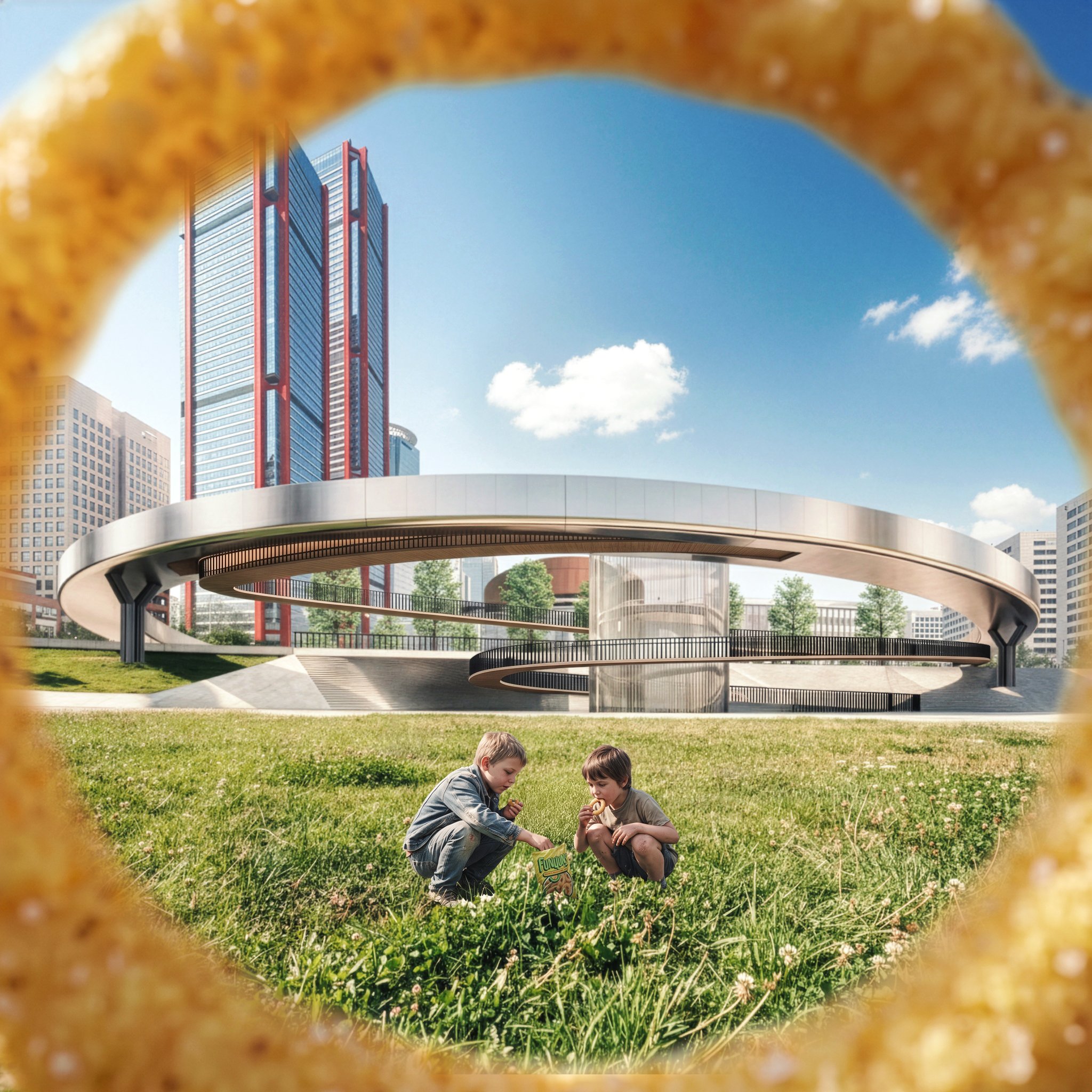
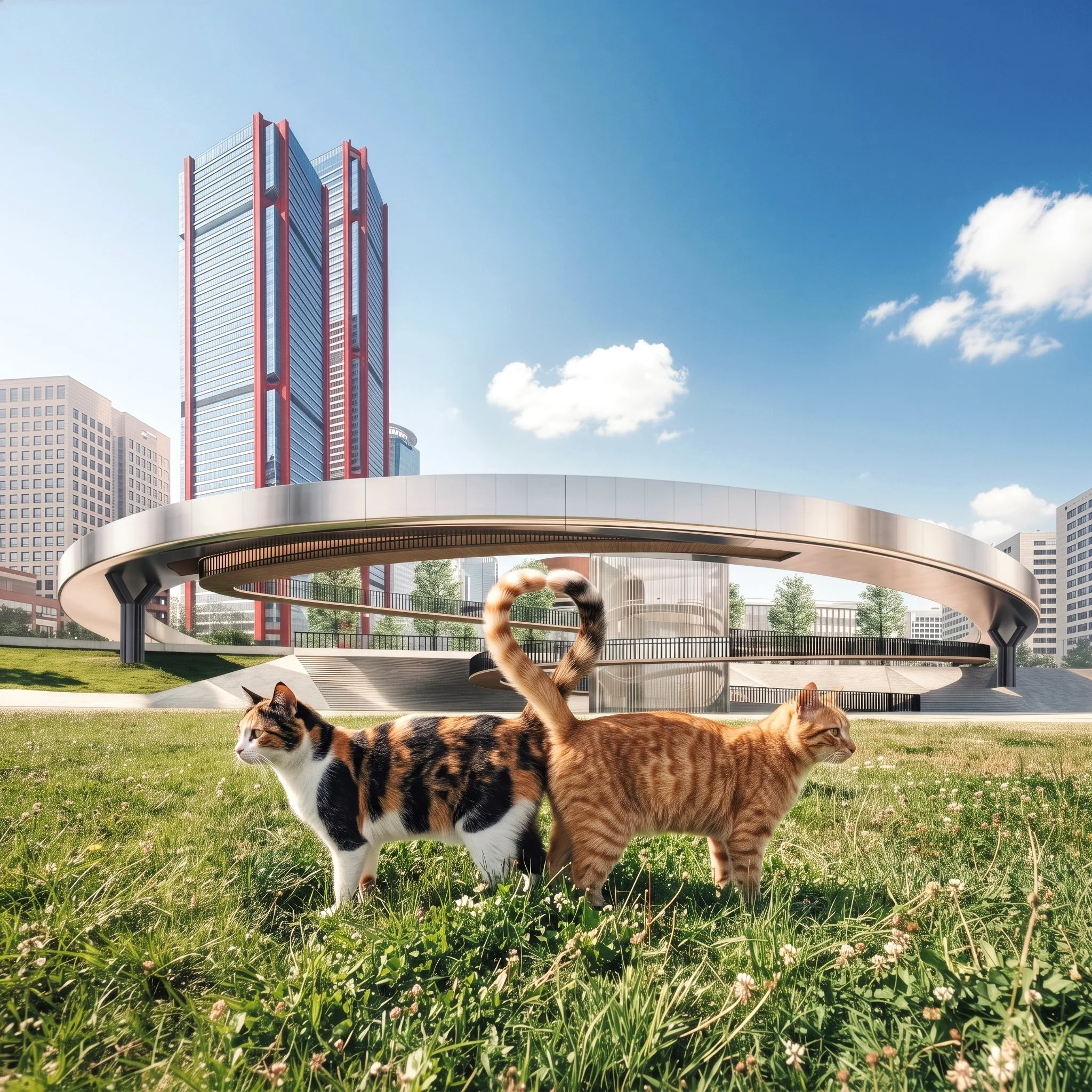
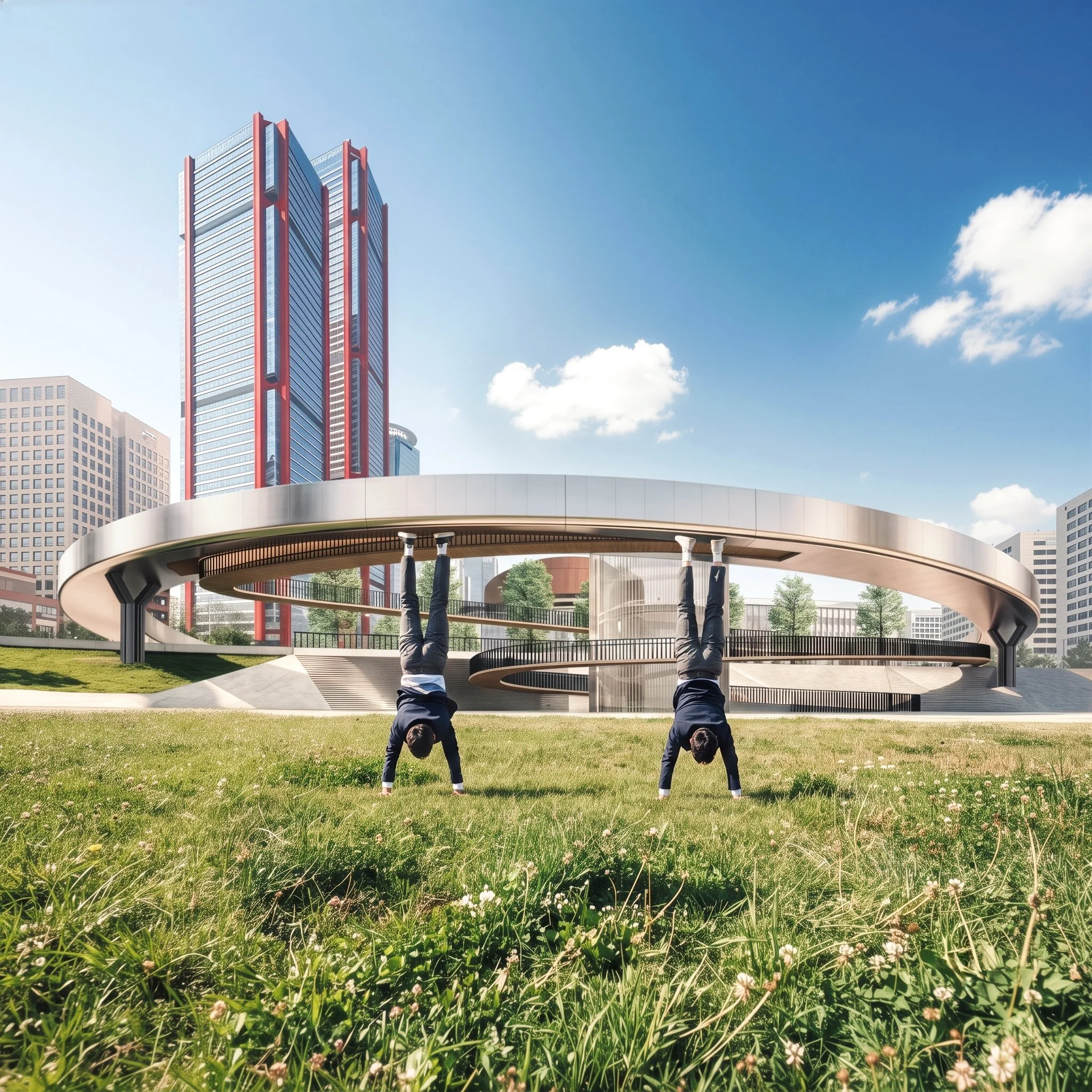
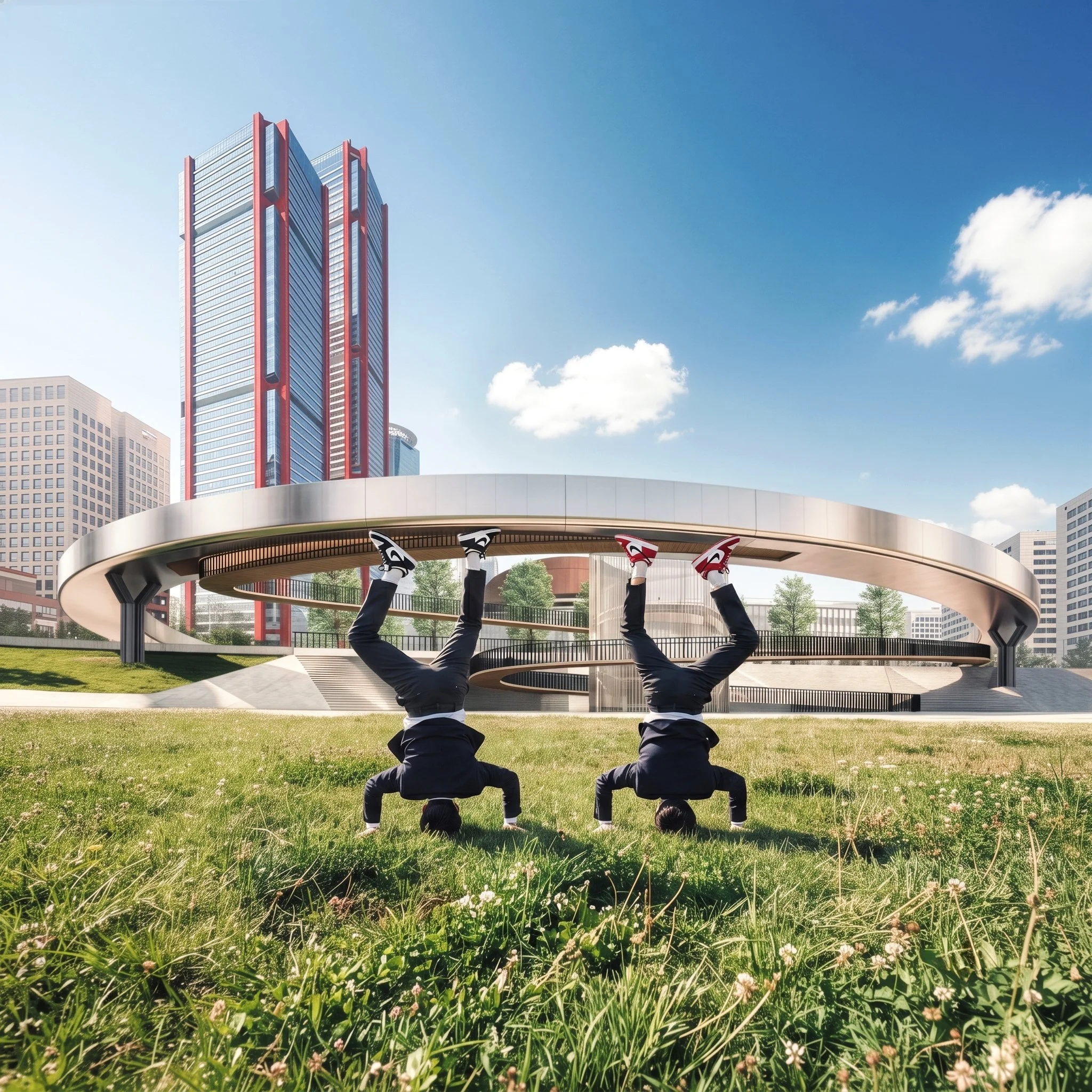
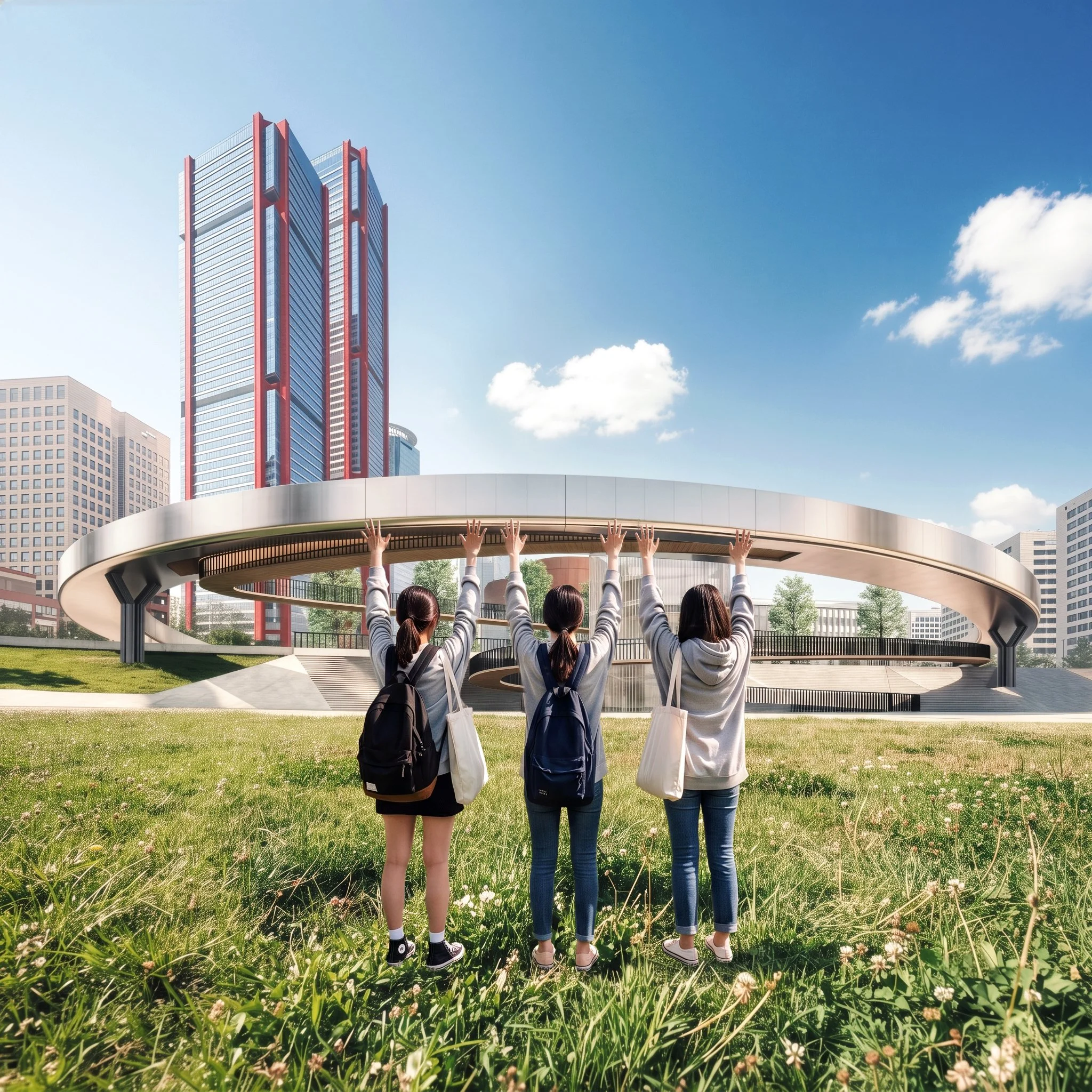
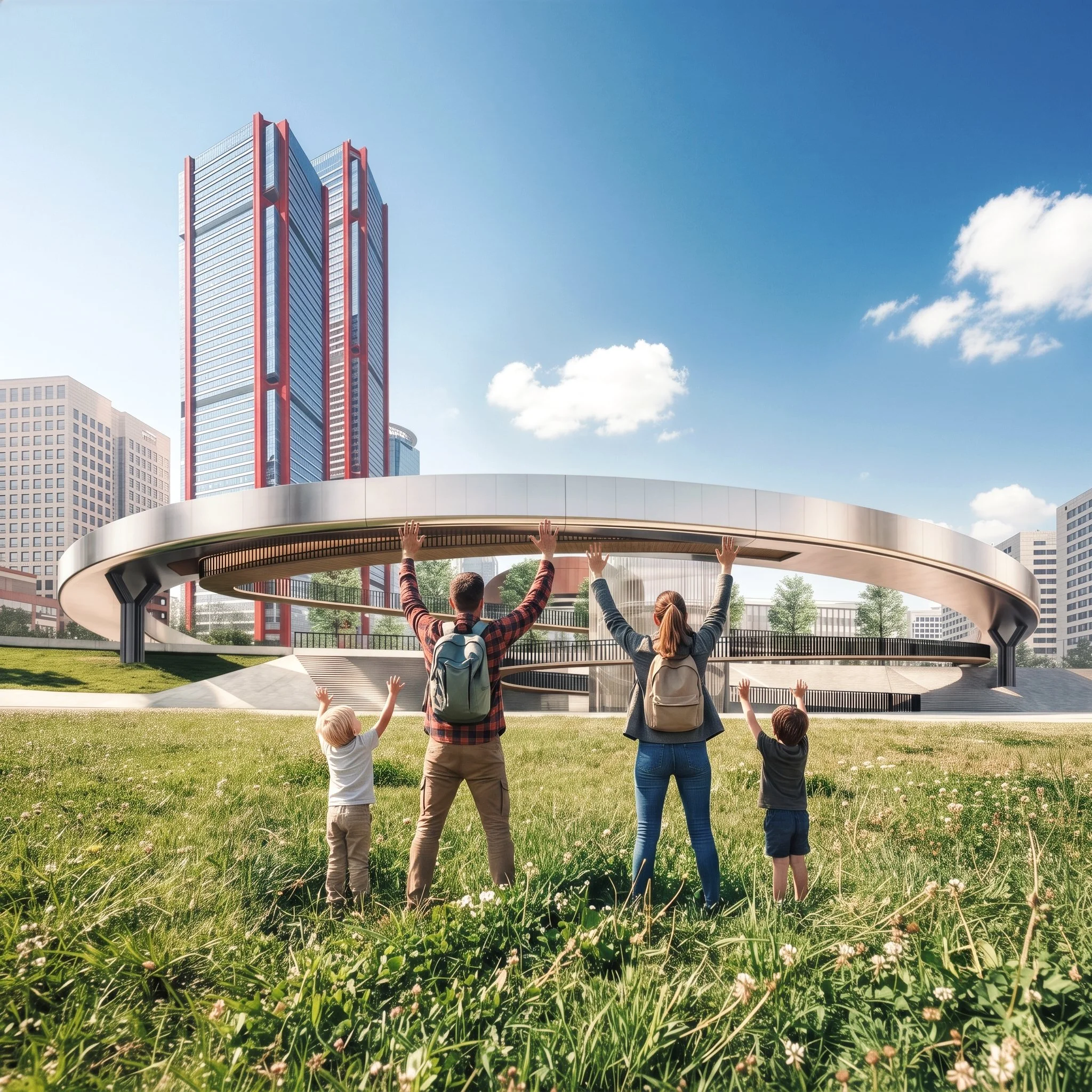
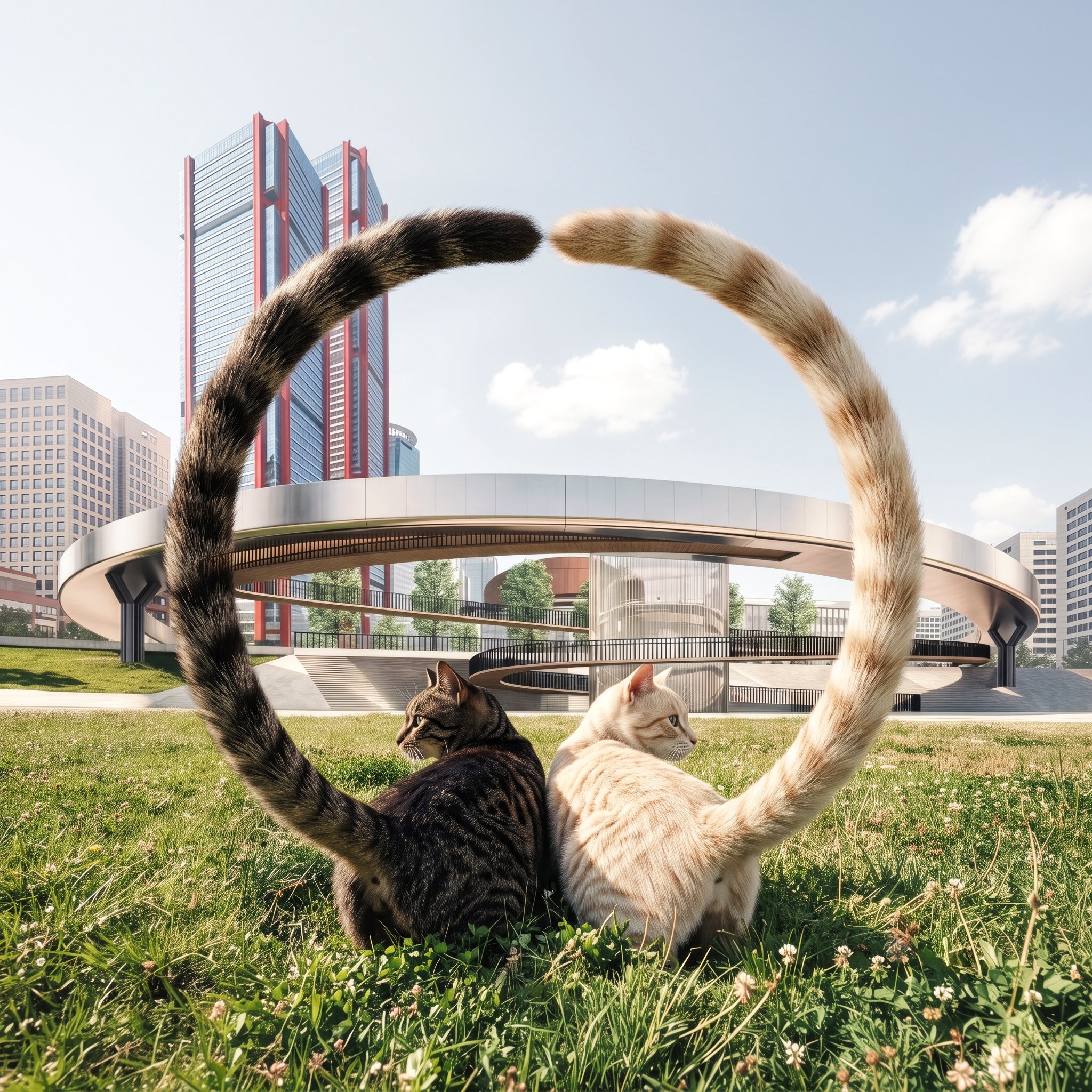
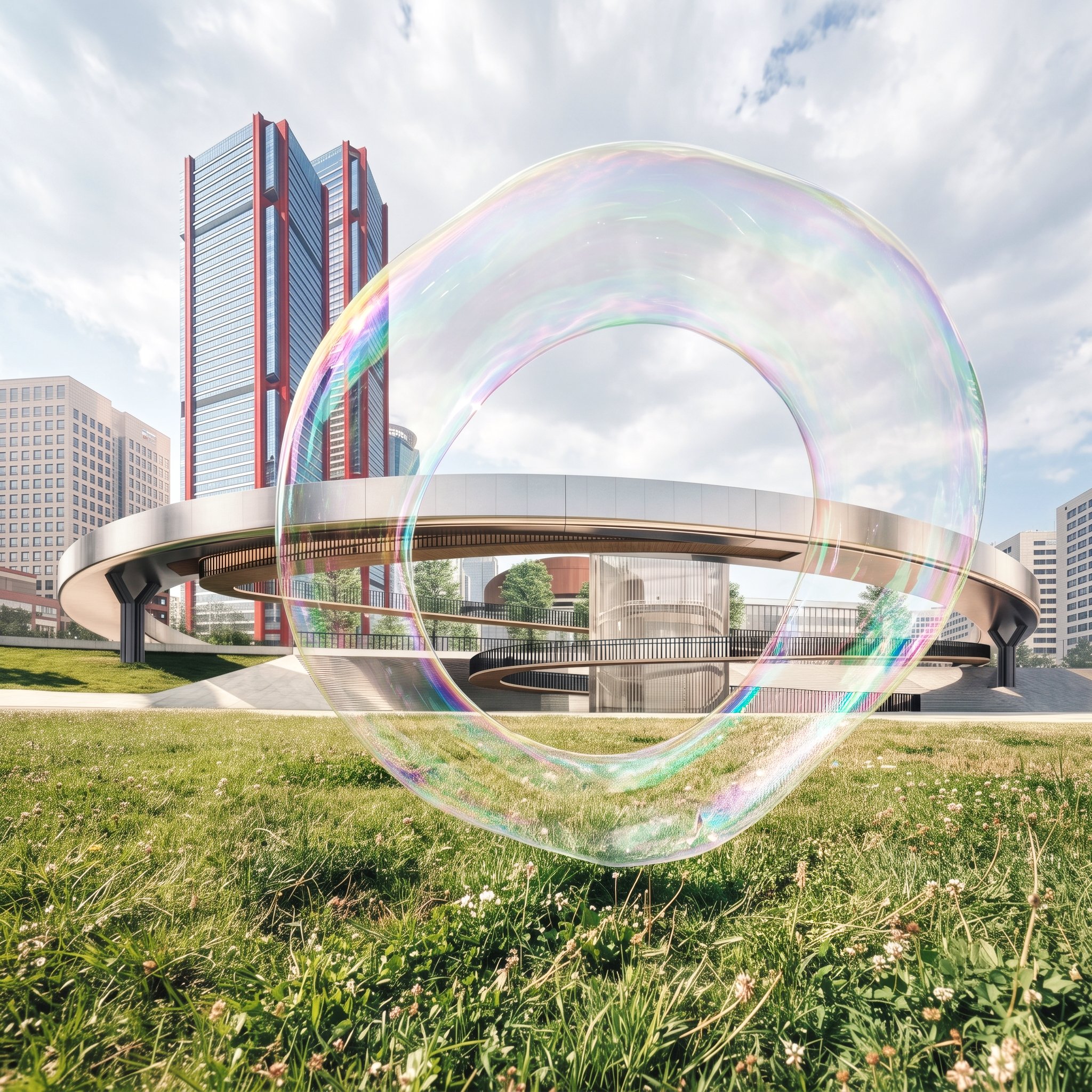
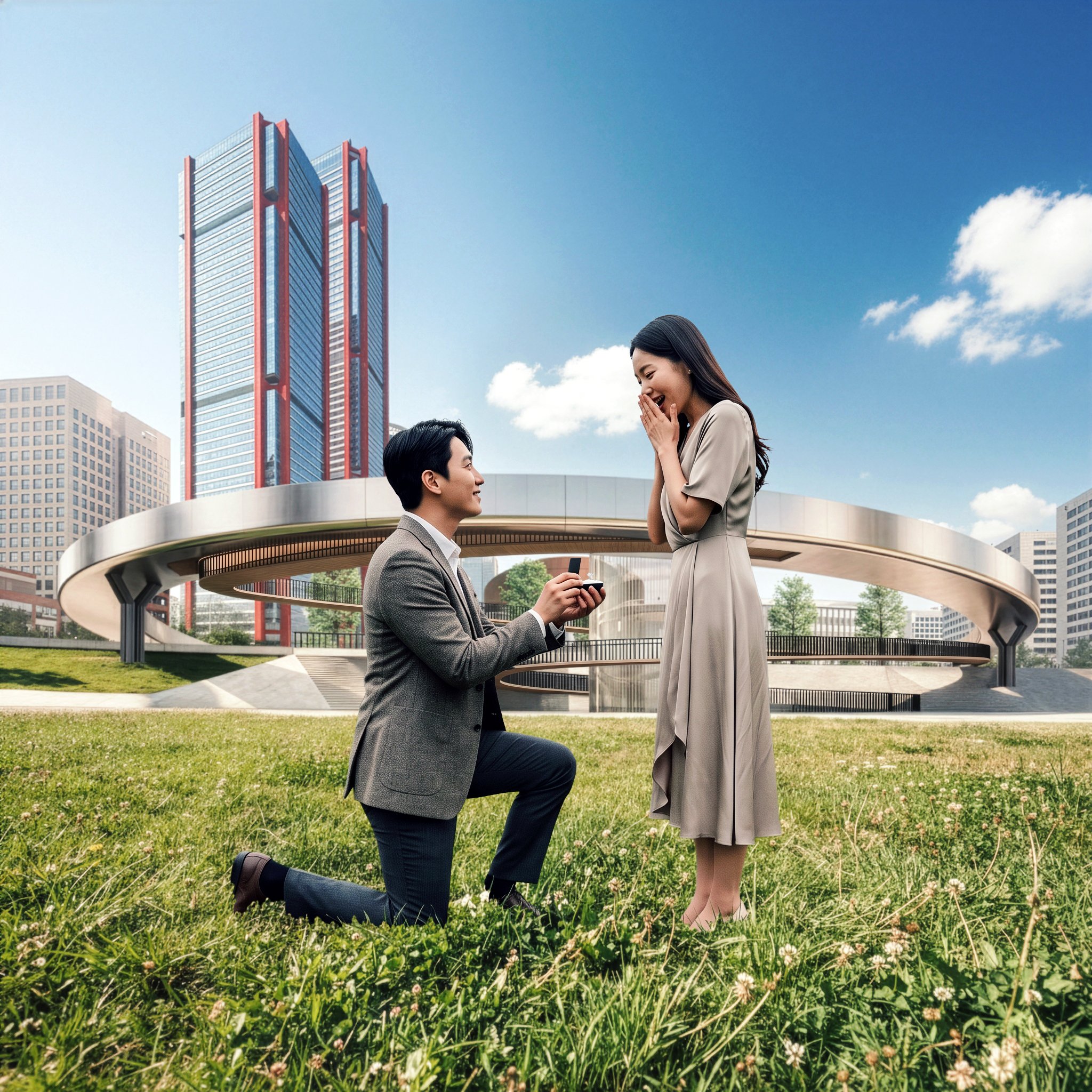
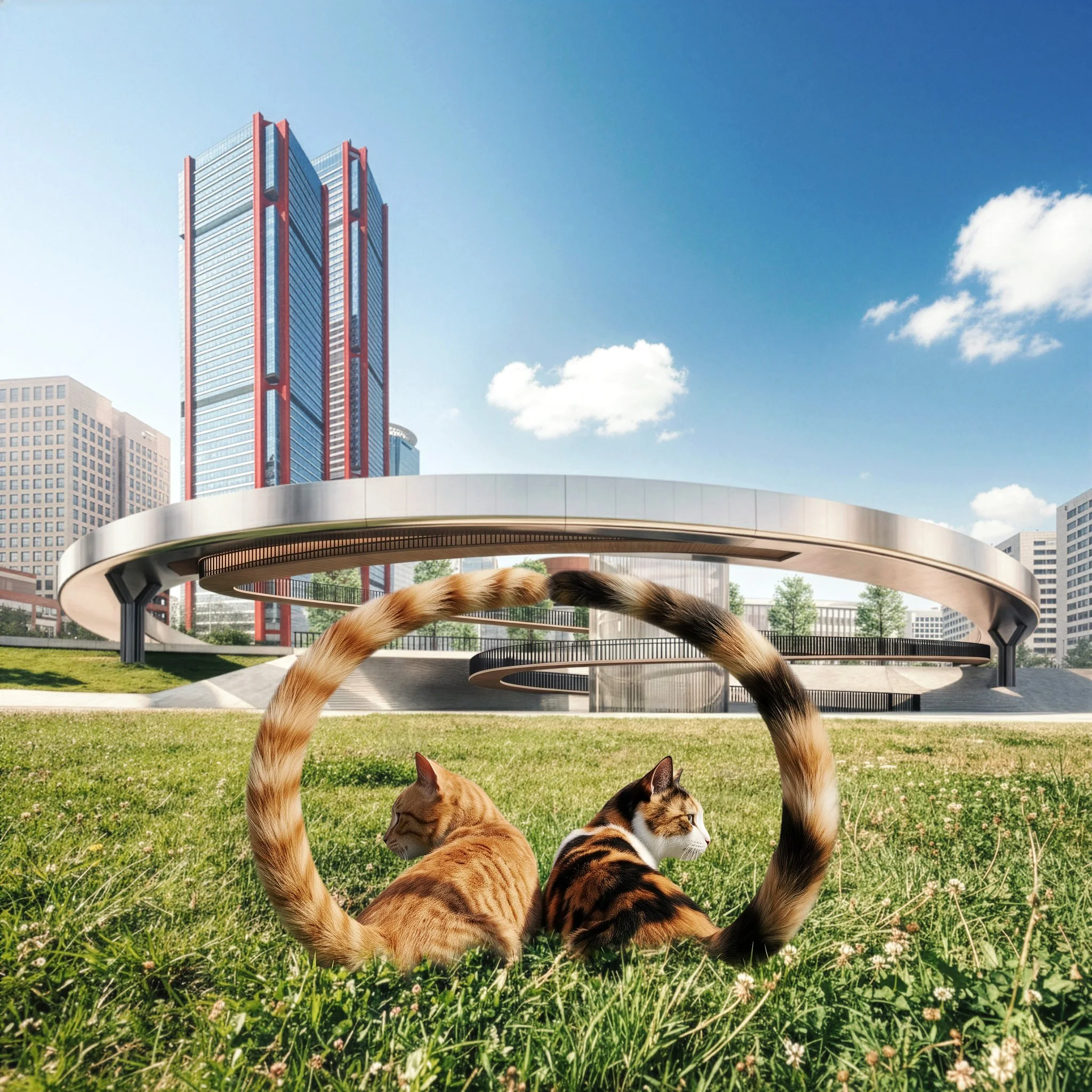
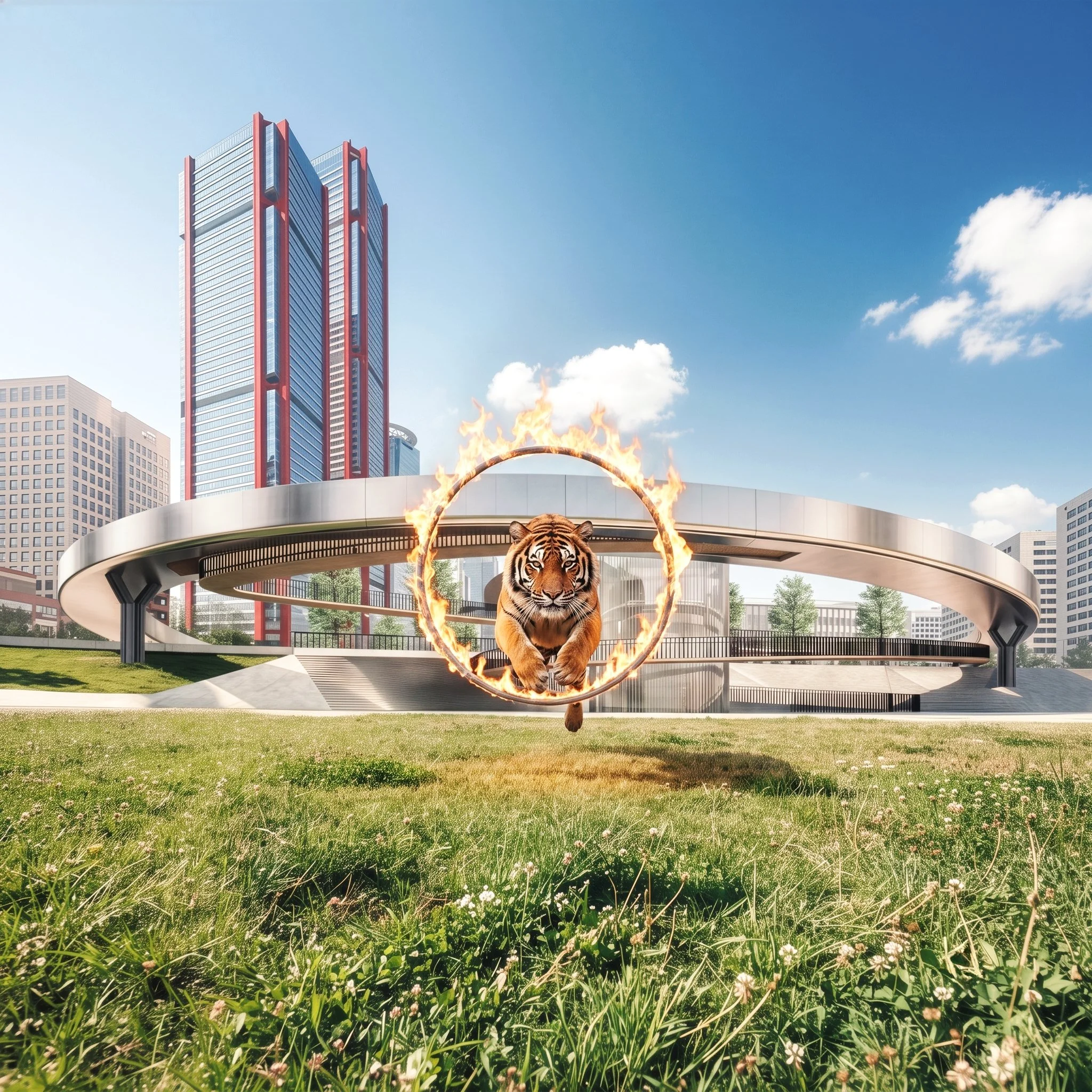
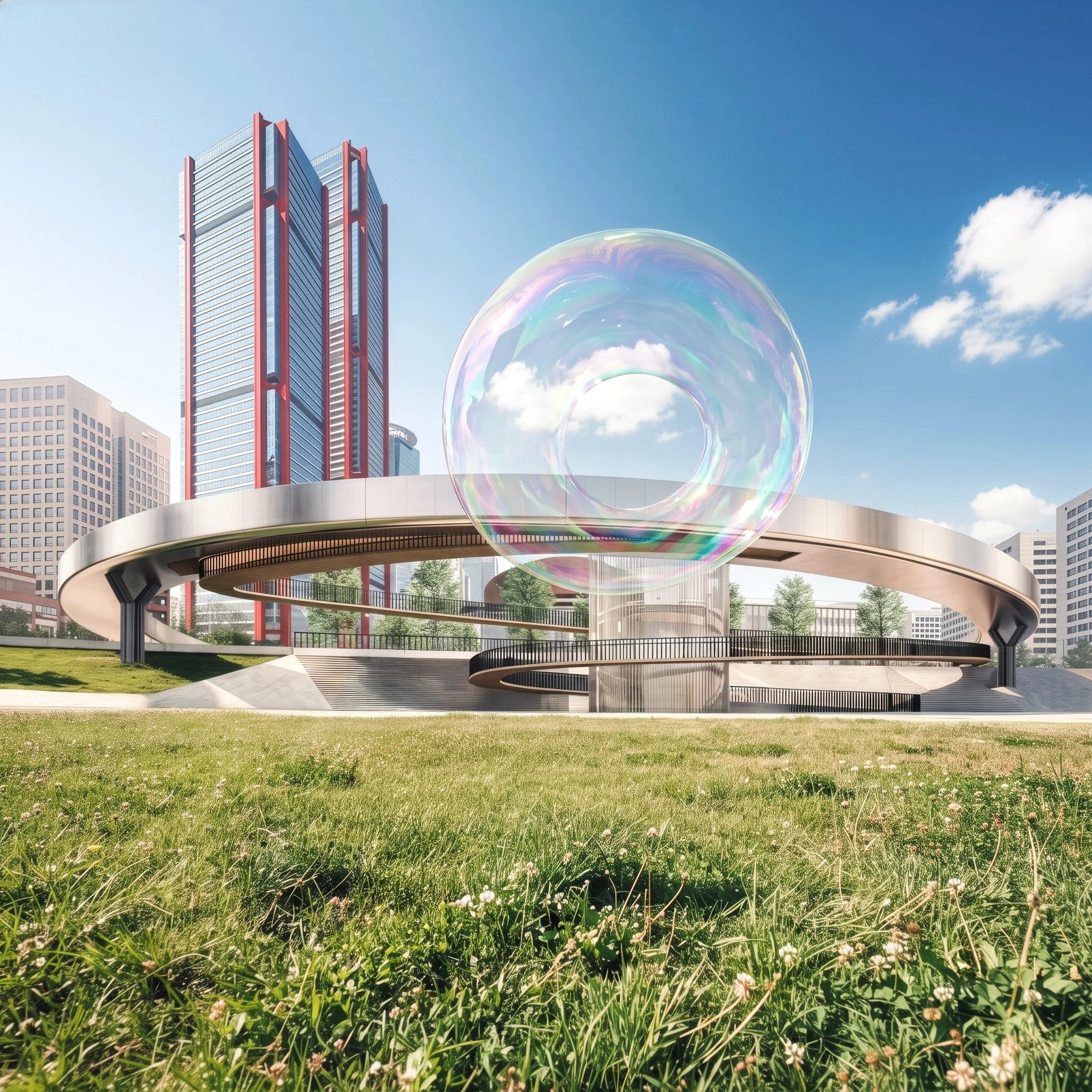
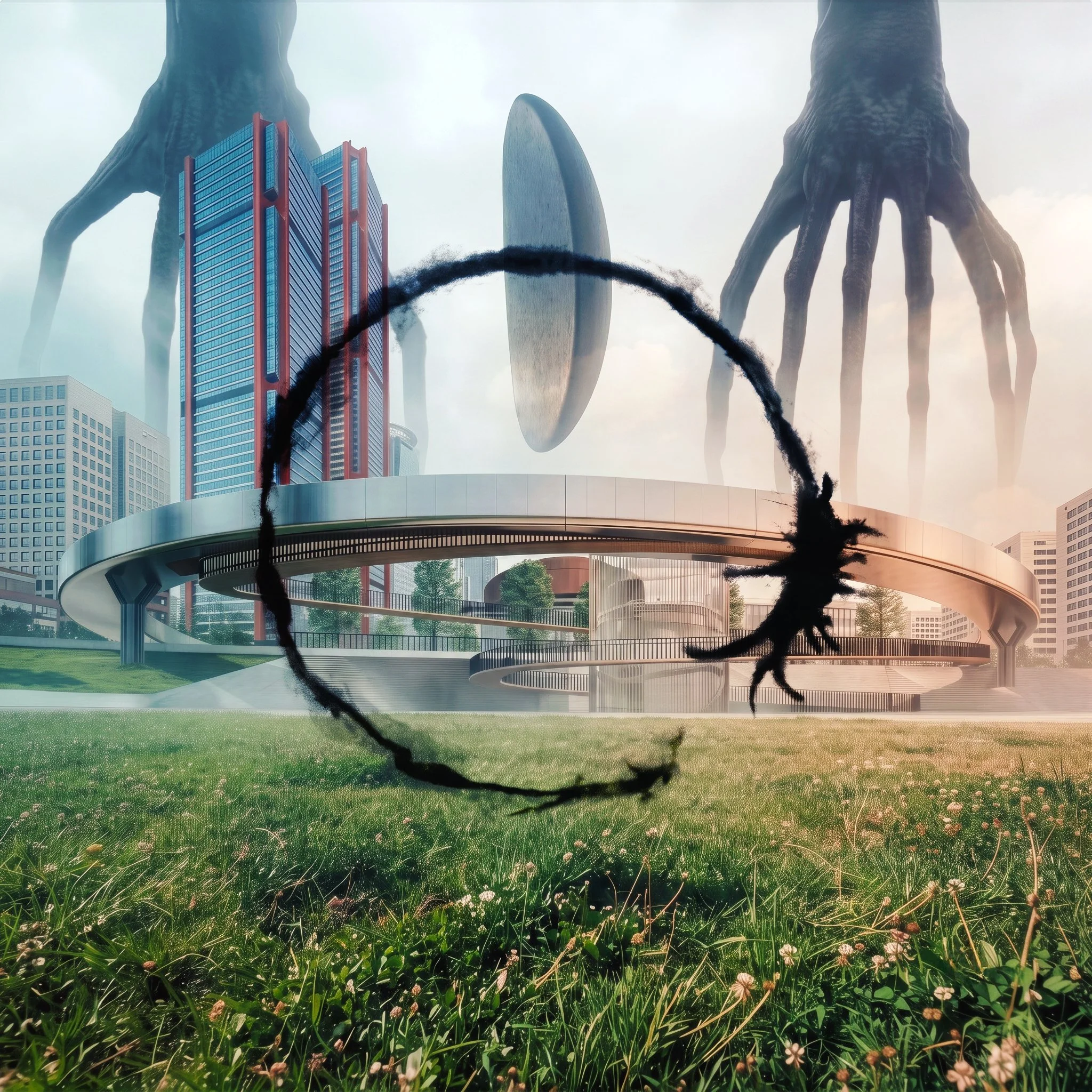
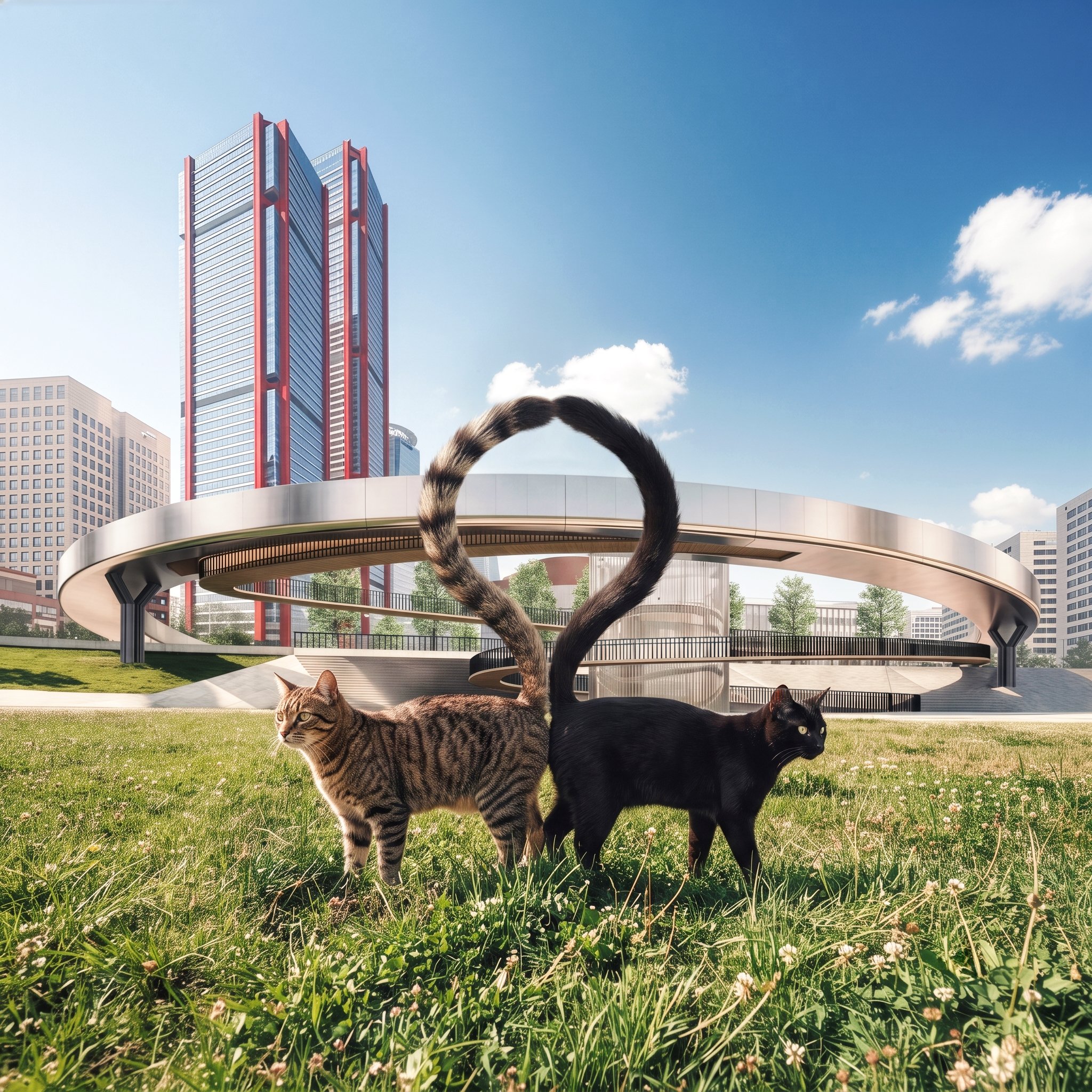
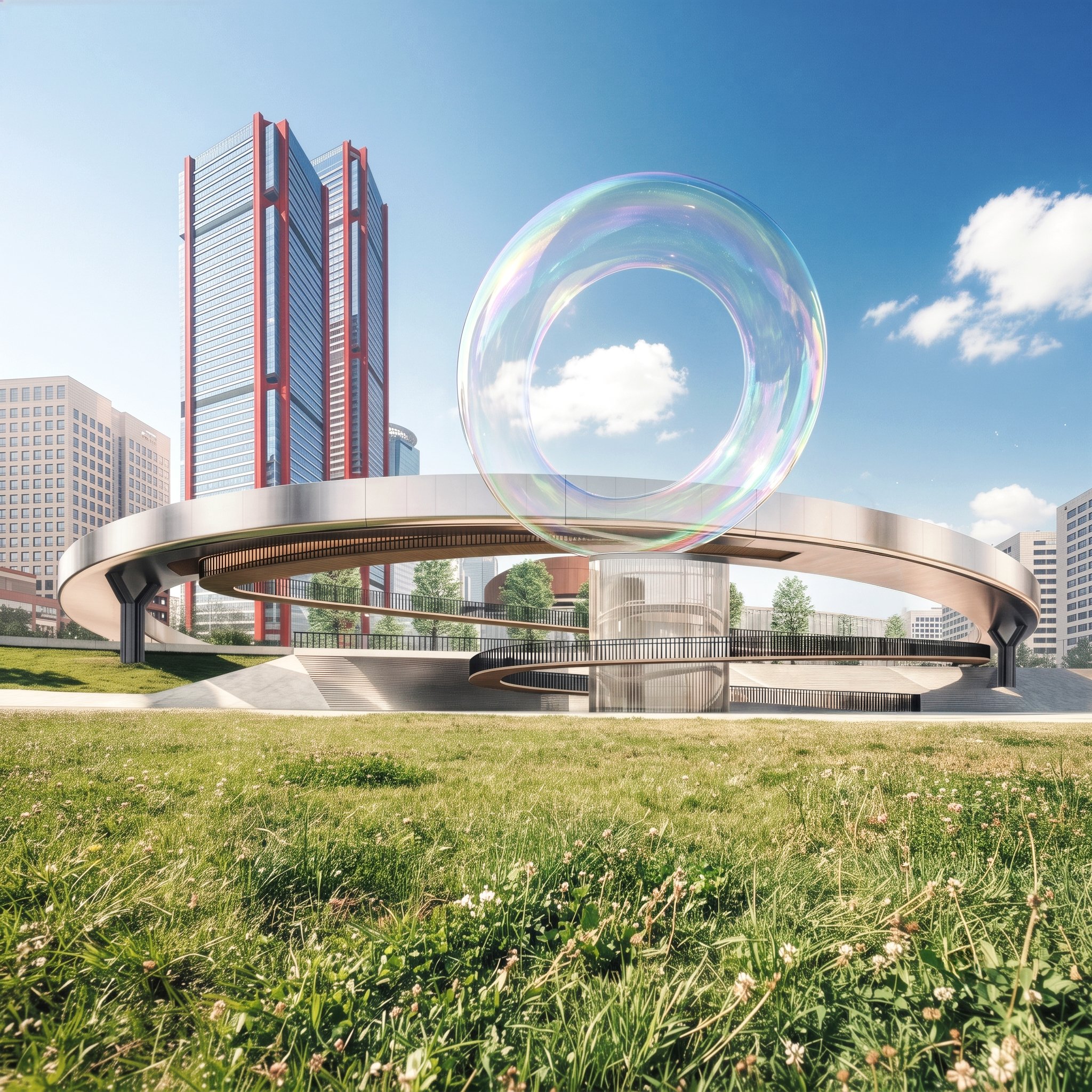
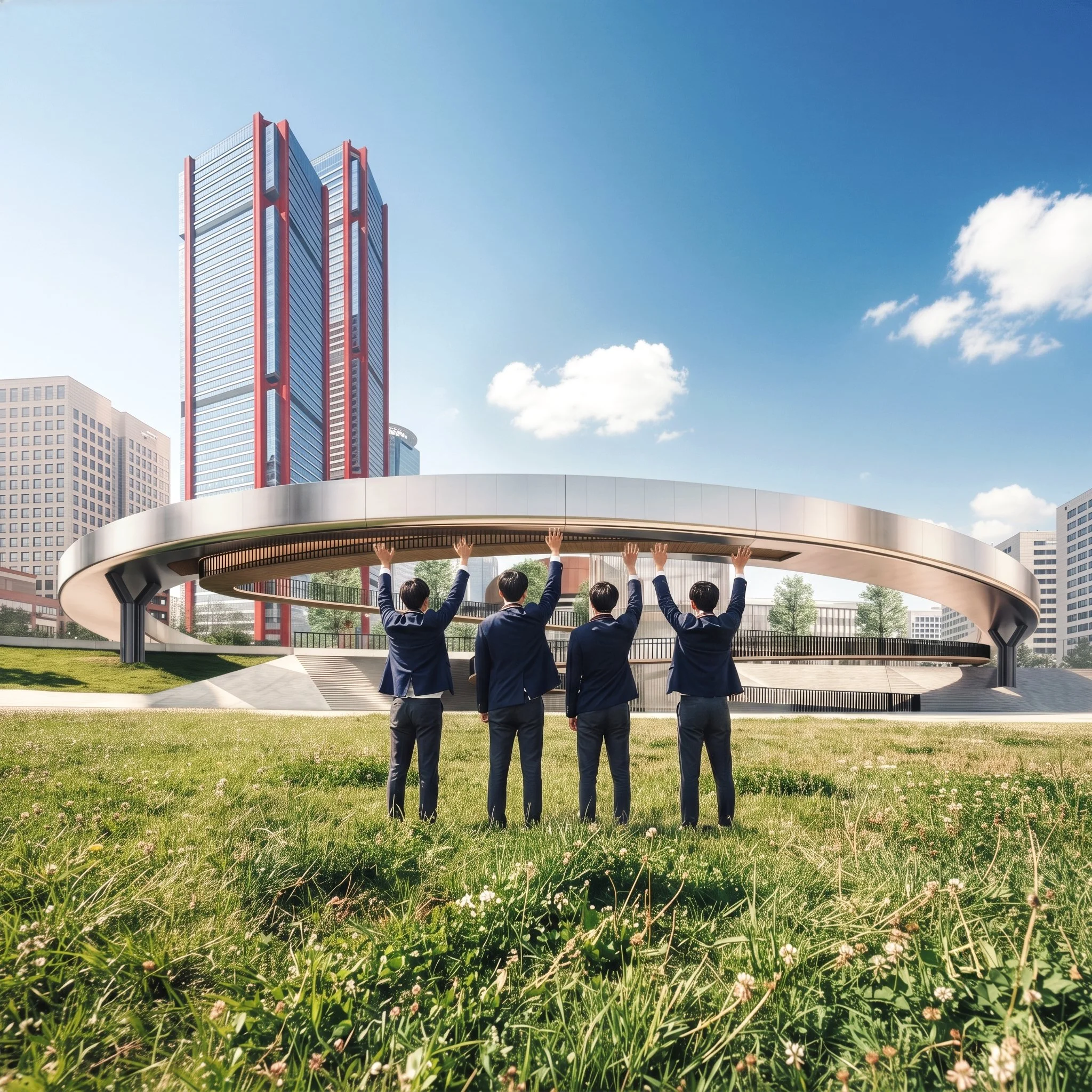
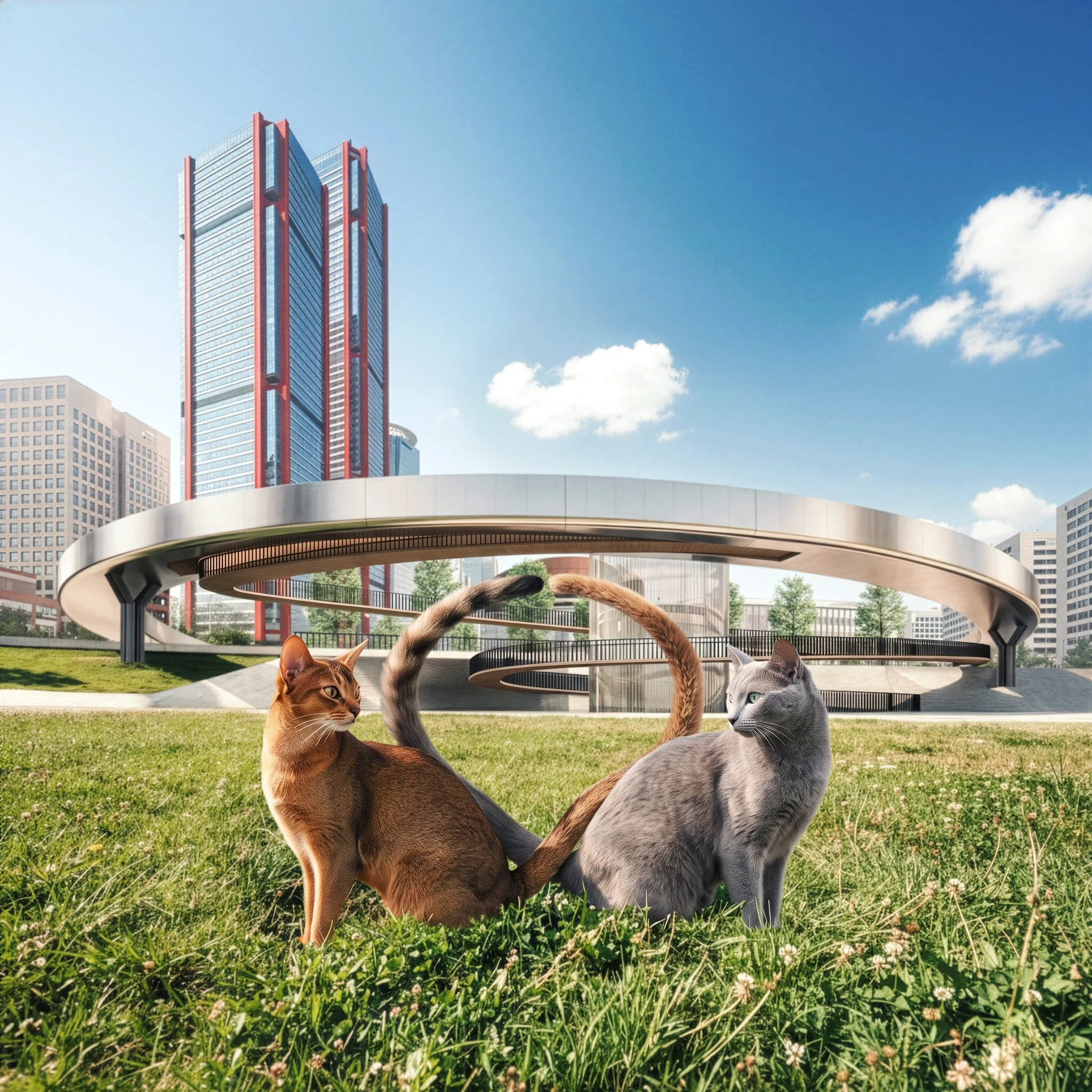
건축은 형태와 구조로 완성되지만, 장소는 시간 속에서 비로소 형성된다. 햇빛이 외벽에 드리우고, 사람들이 공간을 즐기며, 계절이 재료의 표정을 바꾸고, 기억이 공간 위에 켜켜이 쌓일 때 비로소 건축은 하나의 장소가 된다. 누군가에게는 매일 지나치는 출근길의 풍경이고, 다른 누군가에게는 첫 만남의 장면이며, 또 누군가에게는 주말의 느긋한 여백이다. 건축은 물리적 오브제로 존재하지만, 장소는 인간의 경험과 시간이 그 대상에 스며들며 만들어지는 관계이다.
좋은 건축은 사람들의 삶을 담아내며, 끊임없이 새롭게 해석될 여백을 남긴다. 건축가는 장소를 설계하는 것이 아니라, 장소가 탄생할 가능성을 설계할 뿐이다. 도시의 흐름을 받아들이고, 빛과 바람을 품으며, 다양한 활동과 우연한 만남을 허용하는 공간은 시간이 흐를수록 더 깊은 의미를 획득한다. 결국 건축의 완성은 그곳을 찾는 사람들이 그 공간을 자신의 기억과 일상 속에 자연스럽게 받아들이는 순간에 있다. 건축이 장소가 된다는 것은 하나의 물성이 삶의 일부가 되는 과정이며, 공간이 존재를 넘어 의미가 되는 가장 아름다운 변화이다.
© INTERFACE STUDIOS 2026, ALL RIGHTS RESERVED
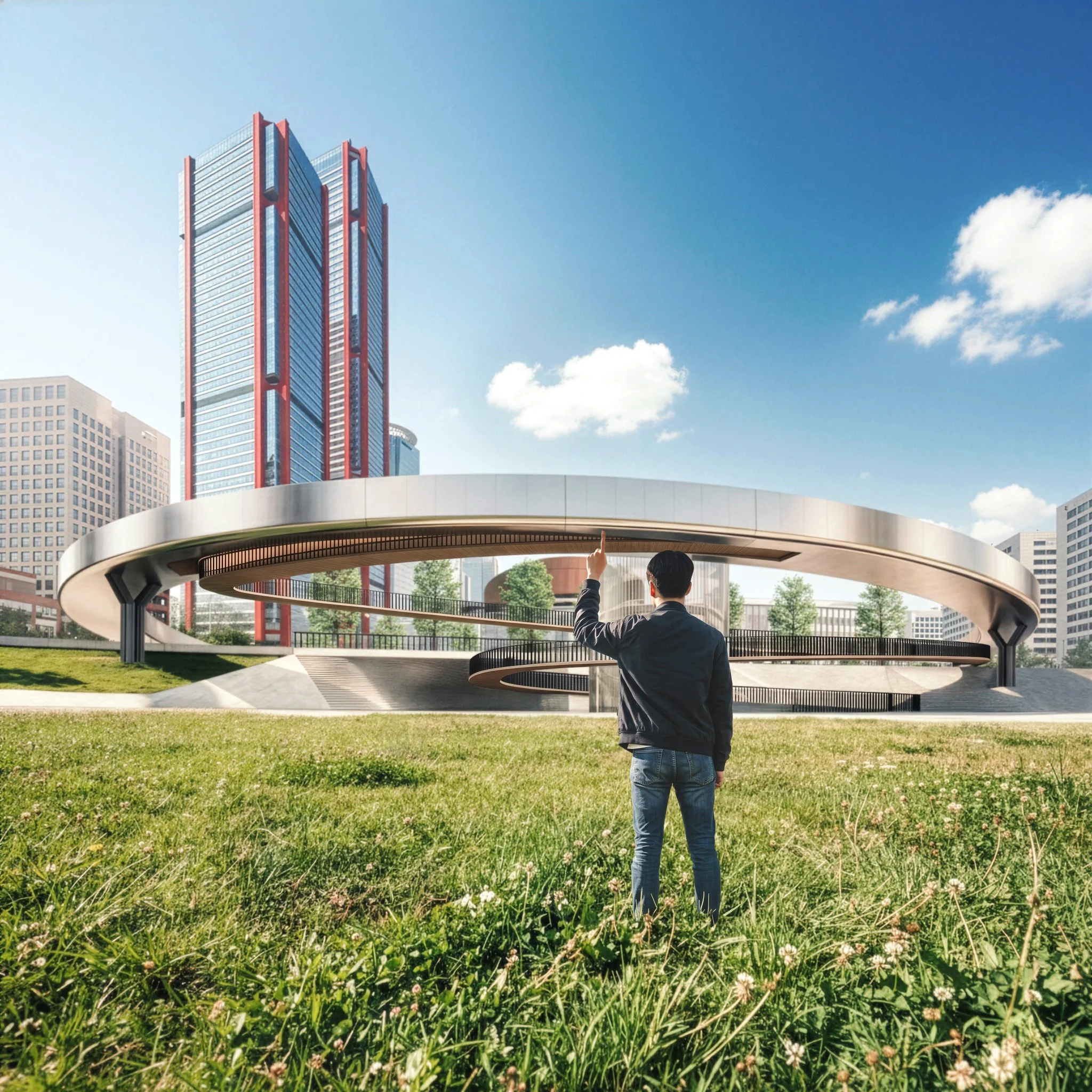
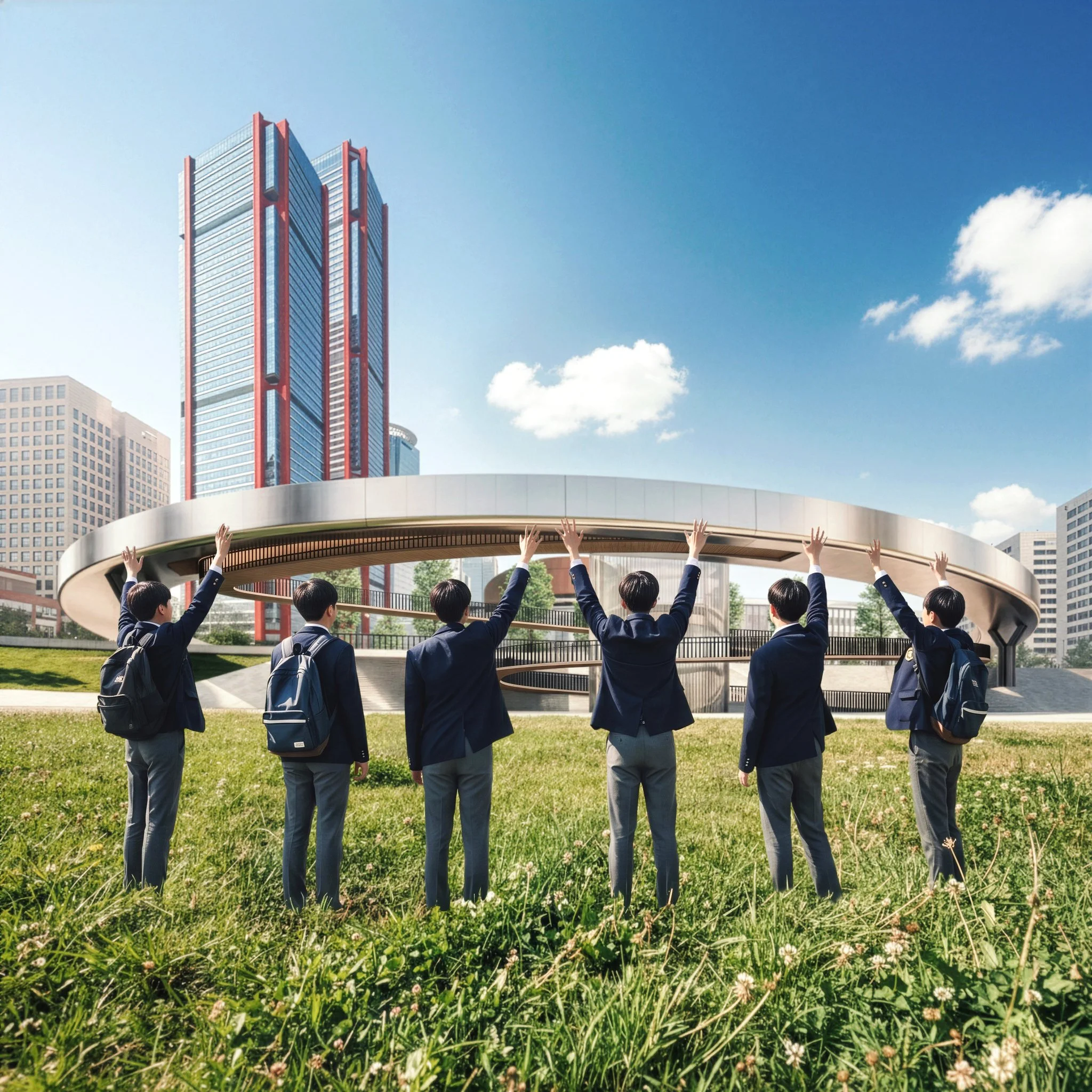
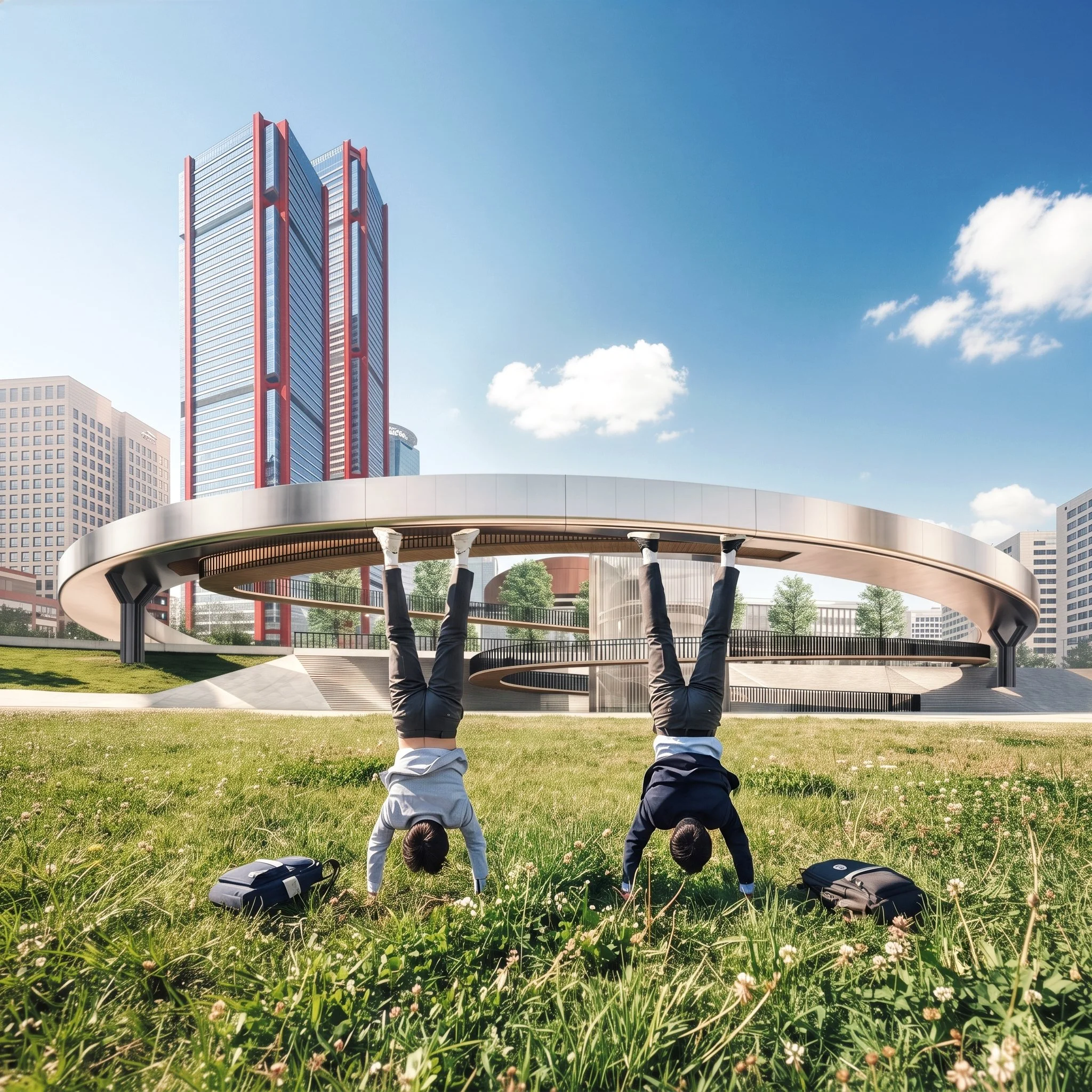

When architecture becomes place
Architecture may be completed through form and structure, but place emerges only through time. As light moves across a façade, seasons transform material, and everyday life leaves its traces, architecture gradually becomes part of human experience. For one, it is a familiar scene along the daily commute; for another, the setting of a first encounter or a quiet pause on the weekend. Architecture exists as a physical object, but place is formed through the relationship between space, memory, and lived experience.
Good architecture accommodates life while leaving room for new interpretations. Architects do not design place itself; they design the conditions through which place may emerge. Spaces that embrace the flow of the city, engage light and wind, and allow for diverse activities and unexpected encounters acquire greater meaning over time.
Ultimately, architecture is fulfilled when people absorb it naturally into their memories and everyday lives. To become a place is for architecture to move beyond physical presence—to become part of life, and in doing so, acquire meaning.